
Rust-colored marks in a bathtub do not always mean that the bathtub itself is rusting.
The stain may come from iron-rich water, a corroded metal fitting, a shaving can, a wet tool, or another metal object left on the surface. The correct cleaning method depends on the bathtub material.
Before using any cleaner, identify whether the tub is porcelain, enamel, acrylic, fiberglass, stone, or flexible PVC.
Cleaning the mark without correcting the cause may allow it to return.
Inspect the bathtub for:
Corroded drain fittings
Rusting screws or brackets
Metal containers left in water
Iron deposits from the water supply
Damaged enamel exposing steel
Old plumbing components
Outdoor debris entering a portable tub
A rust-colored deposit may sit on top of the bathtub finish. It may also appear where a coated steel tub has chipped and exposed the underlying metal.
Surface cleaning can remove deposits, but it cannot repair deep enamel damage or active corrosion beneath a coating.
Rinse the bathtub and remove loose dirt first.
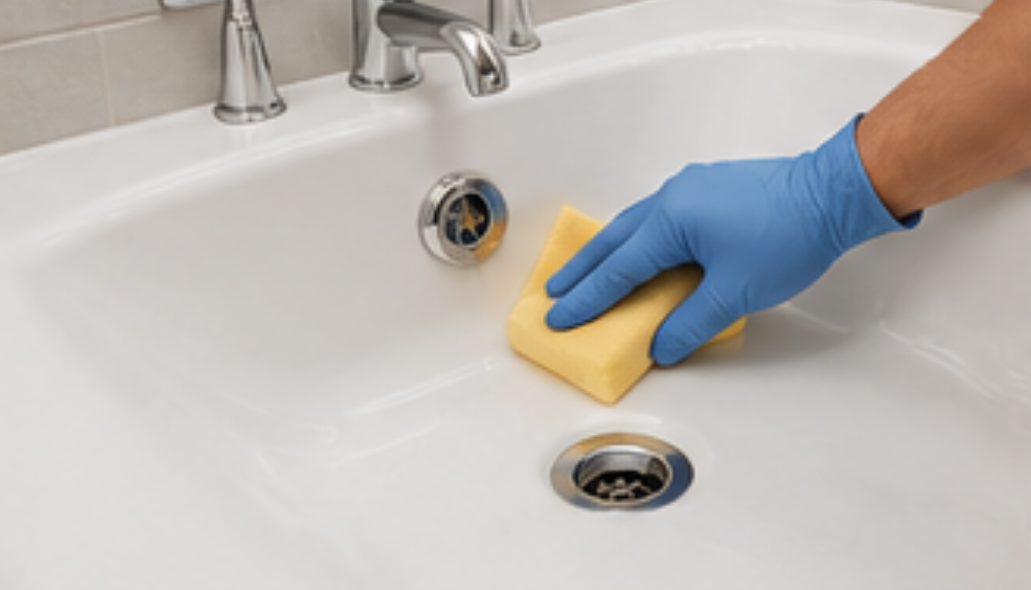
Apply warm water and mild detergent with a soft sponge or microfiber cloth. This helps remove soap film that may be covering the rust stain.
Dry the area before deciding whether a stronger treatment is required.
Porcelain enamel is relatively hard, but it can still be scratched or chipped.
A cleaner labeled for rust removal on porcelain may be used according to its instructions.
Do not use a knife, metal scraper, or coarse steel wool.
Scratching the protective enamel may expose the metal underneath and create a more serious corrosion problem.
Acrylic and fiberglass surfaces are more sensitive to abrasive powders and strong solvents.
Use a non-abrasive bathroom cleaner approved for the material. Apply it with a soft cloth and rinse thoroughly.
Some rust removers contain acids that can dull, discolor, or soften a plastic surface.
Testing a small hidden section helps confirm compatibility before treating the visible stain.
A Portable Cold Plunge Tub does not contain a steel bathtub shell, so the PVC body itself does not produce rust.
However, rust-colored residue may transfer from metal objects, outdoor water, frame components, or accessories.
Use mild detergent, clean water, and a soft cloth. Avoid strong acids, alkaline cleaners, solvents, hard brushes, and abrasive pads that may damage the waterproof layer.
Baking soda can help remove light surface dirt, but it is not always strong enough to dissolve iron-based stains.
On delicate tub materials, its mild abrasiveness may still leave visible marks if scrubbed aggressively.
Use it only when the bathtub manufacturer permits it, and apply minimal pressure.
After cleaning:
Rinse the tub after use.
Remove metal items from wet surfaces.
Dry drain fittings and exposed hardware.
Repair chipped coatings.
Check water quality when stains return frequently.
Keep outdoor tubs covered when not in use.
For a portable tub, inspect the frame and drain fittings regularly and replace damaged components before corrosion transfers to the tub surface.
Our portable tubs are made from PVC and related reinforced materials. Routine maintenance should use mild detergent and non-abrasive tools.
The tub should be rinsed, fully drained, and dried before long-term storage. Keeping the product away from sharp objects, strong chemicals, high heat, and prolonged direct sunlight can reduce premature material damage.
Our factory supports custom sizes, colors, logos, covers, drain structures, insulation layers, and packaging.
Product development can be coordinated with buyers serving gyms, sports-recovery suppliers, wellness brands, outdoor retailers, and online sales channels.
Send us your target tub size, capacity, material structure, insulation requirement, lid design, drain location, accessories, logo, and order quantity. We will prepare a Portable Cold Plunge Tub solution for your market.
 Mobile Phone:
 Phone:
 Contact Now
 Youtube