
Inflating a swimming pool sounds like a simple step, but it often decides the first impression of the whole product. If the setup feels quick and easy, users immediately feel comfortable. If it feels slow or unstable, even a good-looking pool can lose its appeal.
For families, this is about convenience. For importers, wholesalers, and private label buyers, it is about something deeper. Setup experience directly affects customer feedback, return rates, and whether the product will sell again next season. That is why inflation is not just a small step. It is part of the overall product experience.
Our backyard Inflatable Pool is made for this kind of everyday outdoor use. It focuses on simple setup, stable structure, and practical storage, which helps it fit into both retail and bulk supply programs more naturally.
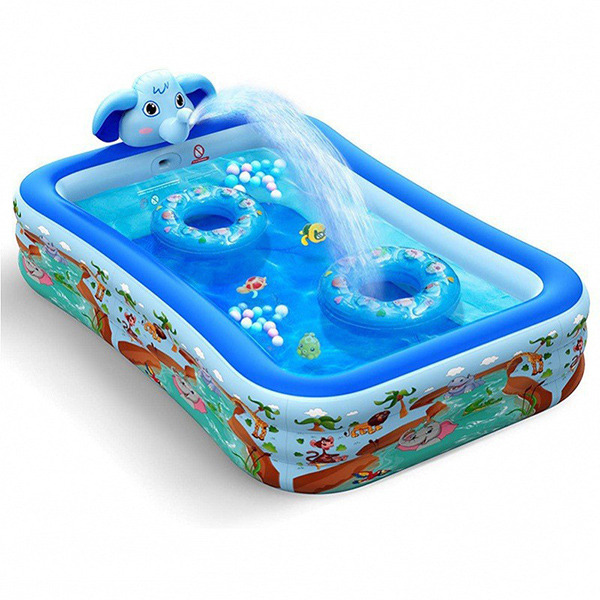
A lot of people think inflating a pool just means filling it with air until it looks full. In reality, how the air is distributed makes a big difference.
If the air pressure is too low, the pool walls may not hold shape when water is added. If it is too tight, the material can feel stressed, especially under sunlight where temperature changes affect internal pressure. The right balance helps the pool stay stable during use.
This is where structure becomes important. A multi-chamber design helps keep the pool upright and evenly supported. It also reduces the chance of one side collapsing or leaning once the pool is filled. For buyers, this matters because customers notice stability immediately after setup.
The process itself is not complicated, but doing it properly helps the pool perform better over time.
First, choose a flat and clean area. A smooth lawn, patio, or prepared surface works best. Even small debris under the pool can affect how it sits and may cause long-term wear.
Next, unfold the pool completely before adding air. This helps the shape form correctly from the beginning. Once the structure is clear, start inflating each air chamber one by one instead of randomly filling different sections.
Using an electric pump usually makes the process much faster. In most cases, a full setup can be completed within a few minutes. The goal is not to make the chambers extremely hard, but firm enough to hold shape while still allowing slight flexibility.
After inflation, check the pool briefly before adding water. The walls should stand evenly, and the base should sit flat on the ground. Once everything looks balanced, water can be added.
For everyday users, inflation is just a quick step. For B-end buyers, it reveals a lot about product quality.
If valves are not well designed, air can slowly leak out. If the chamber layout is weak, the pool may lose shape under water pressure. If setup takes too long, customers quickly lose patience, especially in seasonal products where ease of use is a key selling point.
This is why experienced buyers look beyond appearance. They pay attention to material thickness, valve reliability, chamber structure, and how the product behaves after the first use. A pool that sets up smoothly and holds its form well is much easier to sell and much easier to reorder.
Once the pool is filled with water, the real test begins. The walls need to stay upright, the shape needs to remain stable, and the structure needs to support regular use.
A multi-layer air chamber setup helps distribute pressure more evenly. This makes the pool feel more stable when people are inside, whether it is used by children or adults. It also improves the overall look, because the pool keeps a cleaner and more balanced shape.
From a business perspective, this kind of stability reduces complaints and builds trust. Customers are more likely to recommend and repurchase products that feel solid during use.
Many buyers today are not just looking for a standard inflatable pool. They want something that fits their brand, their packaging style, or their specific market.
Some need custom sizes for different regions. Some need logo printing for private label programs. Others want packaging that matches a seasonal campaign or a retail concept.
This is where OEM and ODM support becomes important. A product that can be adjusted without changing its core structure gives buyers more flexibility. It also makes it easier to expand into related categories, such as summer outdoor products or even a cold water therapy tub line for recovery and wellness markets.
When a supplier can support both product quality and customization, it becomes easier for buyers to build a consistent product range instead of sourcing from multiple factories.
One detail that is often overlooked is how much setup affects customer perception. Users do not separate inflation from the product. If the setup feels difficult, they assume the product is not well designed.
A pool that inflates quickly, drains easily, and folds down without hassle is much more likely to be used again. It is also easier to store, which matters for seasonal products.
For buyers, this translates directly into better feedback and stronger repeat orders. A product that feels simple to use is easier to recommend and easier to keep in the catalog.
So, how do you inflate a swimming pool? The process itself is straightforward. Place it on a flat surface, unfold it fully, inflate each chamber evenly, and check the structure before adding water. But behind this simple process, there is a bigger point.
A good inflatable pool should not only look attractive when filled. It should also be easy to set up, stable during use, and practical to store. These details are what turn a one-time purchase into a repeat product.
If you are sourcing inflatable pools, planning a seasonal outdoor line, or exploring related categories like a cold water therapy tub, feel free to share your ideas with us. We can help you refine product details, discuss customization options, and support your project from initial concept to bulk production.
 Mobile Phone:
 Phone:
 Contact Now
 Youtube