
cold therapy has become much more popular in recent years, but one question still comes up again and again: how long should you stay in the bathtub for cold therapy? For first-time users, this is about safety and comfort. For buyers, distributors, wellness brands, and private label sellers, it is also about product positioning. If the tub is marketed well but the use guidance is vague, the customer experience becomes harder to manage.
In most cases, cold therapy sessions are kept short rather than long. The goal is not to stay in the water as long as possible. The goal is to create a controlled cold exposure that feels useful, manageable, and repeatable. That is why many users look for a tub that is easy to fill, easy to cover, and practical enough for regular outdoor or home use. This is exactly where a cold water therapy tub becomes relevant in both retail and B-end sourcing.
Our product fits this topic naturally because it is made for outdoor cold therapy use and comes with a lid, which helps keep the setup cleaner and more practical between sessions. For buyers working on wellness, recovery, home fitness, or OEM / ODM programs, this kind of product is easier to place in the market because the use scenario is clear from the start.
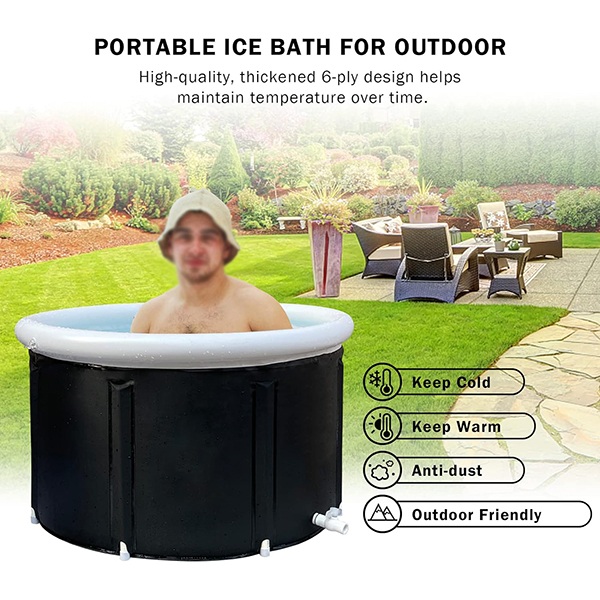
For most users, a cold therapy session is usually kept within a short time window. Many people treat around 10 to 20 minutes as the common range, but in real use, shorter sessions are often the more practical starting point. Beginners usually do better with less time, while experienced users may gradually find a routine that suits their comfort level and recovery habits. The product FAQ for our outdoor Cold Tub also uses 10 to 20 minutes as the usual session range.
The reason session length matters so much is simple. Cold therapy is not like soaking in a warm bath. People are not trying to relax into the temperature for a long time. They are trying to get a controlled cold exposure without turning the experience into something unpleasant or unsafe. In product terms, that makes the tub itself part of the routine. A practical tub supports short, repeatable sessions better than a product that feels difficult to set up or inconvenient to maintain.
One reason this topic gets searched so often is that there is no single time that works for everyone. The right session length depends on cold tolerance, water temperature, user experience, recovery purpose, and how regularly the person uses cold therapy.
For a first-time user, even a short stay can feel intense. For a gym, wellness studio, or recovery center, that matters because new users often judge the whole experience by the first session. If the tub feels easy to enter, stable, and well maintained, the routine is much easier to adopt. If the product feels awkward or inconvenient, even a good concept becomes harder to sell.
This is one reason buyers often care about more than the tub shape alone. They want to know whether the product makes regular use easier. A lid, portable structure, practical material, and easier setup all help the user stay consistent. In real business, consistency matters more than novelty.
Cold therapy may sound like a trend at first, but from a sourcing point of view, it only works as a product line when the tub is practical enough for real use. A cold water therapy tub should not only look good in photos. It should also be easy to place in a backyard, patio, wellness room, or recovery area. It should hold up under repeat use, be easy to clean, and support simple daily maintenance.
Our outdoor cold tub is built around that kind of demand. The product uses Eco-Friendly PVC and is meant for portable recovery use, which makes it easier for buyers to place it in home wellness, athletic recovery, and outdoor use scenarios. It also supports custom size and customized logo, which is useful for buyers building private label or OEM / ODM programs rather than only buying a generic item. Packaging and transport options are also part of the supply setup, which matters for wholesale and project orders.
For B-end customers, this matters because end users do not only buy a tub. They buy a routine. If the product is too hard to store, too open to dust and debris, or too inconvenient between sessions, interest drops quickly after purchase. A design with a lid helps solve part of that problem in a simple way.
In many product categories, appearance drives the first conversation. In cold therapy, user experience usually decides whether the product keeps selling. People want the setup to feel manageable. They want to know how long they should stay in the water, how to keep the tub clean, and whether the product can be used regularly without creating too much work.
That is why practical guidance matters so much in this category. If a product listing or brand message only talks about cold therapy benefits but says little about session habits, maintenance, or repeat use, the customer may hesitate. In contrast, a tub that clearly fits home recovery, athlete use, wellness spaces, and even outdoor events has a broader business path.
Our product fits that direction because it is not limited to one narrow use case. It can be used for athletic recovery, home relaxation, wellness spaces, and outdoor settings, which gives buyers more room to build different sales angles around one product family.
Cold therapy products are becoming more brand-driven. Buyers are not only asking for stock units. Many want custom size, custom logo, packaging changes, or product adjustments that fit a wider wellness range. This is where OEM / ODM capability becomes important.
A supplier in this category needs to do more than produce a tub. The supplier should also be able to support product direction. Some buyers focus on athlete recovery. Others focus on backyard wellness, spa-style branding, or portable outdoor use. The basic product may be similar, but the final version still needs to fit the market it is being sold into.
This is one reason why a supplier-based article like this should connect product structure with use guidance. Buyers need both. They need to know how long should you stay in the bathtub for cold therapy, but they also need to know whether the tub itself supports that routine in a practical and marketable way.
From a wholesale or private label perspective, the biggest pain point is often not the first order. It is what happens after the goods arrive. Will the product be easy for customers to understand? Will it store well? Will it stay clean enough between sessions? Will it feel durable enough for repeat use?
These concerns are very real in the cold therapy market. A product can look strong online but still create friction later if it is hard to maintain or awkward to use. That is why features like a lid, portable setup, outdoor suitability, and practical material choice matter more than they may seem at first glance.
For buyers building a long-term line, those details reduce customer hesitation. They also make the product easier to explain in catalogs, on product pages, and in retail conversations. A tub that feels straightforward is easier to sell than one that looks impressive but raises too many questions.
The market for recovery and wellness products has moved toward items that combine function with simple daily usability. Buyers want products that fit into a routine rather than requiring special effort every time. A cold tub with a lid fits that shift well because it helps with both setup and maintenance.
Our product direction supports this naturally. It is made for outdoor cold use, has a portable recovery focus, and can be adapted for custom branding and size requirements. That gives buyers a product that is easier to place in different channels, from online retail and fitness recovery to wellness spaces and branded project supply.
In business terms, that flexibility matters. A product that can serve more than one customer group is easier to keep in the line and easier to develop into repeat orders.
So, how long should you stay in the bathtub for cold therapy? In most cases, the better approach is to keep the session short and controlled rather than trying to stay in for as long as possible. A common range is around 10 to 20 minutes, but the right routine still depends on the user’s comfort, experience, and cold tolerance.
For buyers, the bigger takeaway is that cold therapy works better when the product itself supports regular use. A practical cold water therapy tub should be easy to place, easy to maintain, and flexible enough for real market demand. That is why product design, packaging, customization, and supplier support all matter just as much as the trend itself.
If you are planning a recovery product line, looking for OEM / ODM support, or sourcing outdoor cold tubs for your market, send us your size ideas, logo requirements, or project plans. We can help you review workable options, refine the product direction, and support your order from sampling to bulk production.
Previous: How To Inflate A Swimming Pool?
 Mobile Phone:
 Phone:
 Contact Now
 Youtube