
Floating in a pool looks easy when someone else is doing it, but for many beginners it feels awkward at first. The body turns, the legs sink, the neck gets tense, and breathing becomes the biggest challenge. The good news is that floating is not about strength. It is mostly about balance, breath control, and learning how to let the water support you instead of fighting against it.
For most people, the hardest part is mental rather than physical. As soon as the body becomes stiff, it starts to lose the relaxed position that makes floating easier. Once you understand how water supports body weight, floating becomes much more natural. With the right posture and a calm approach, even first-time swimmers can make clear progress in a short time.
Many beginners assume they cannot float because their body is too heavy or not built for it. In reality, most people can float in some way, but they often use the wrong posture. When the head is lifted too high, the hips and legs usually drop. When the chest tightens and breathing becomes shallow, the body loses buoyancy and starts to feel unstable.
Another common problem is trying too hard. Floating works best when the body is long, loose, and steady. Quick movements, tense shoulders, or constant kicking usually make balance worse. Water responds better to calm alignment than to effort. That is why floating often improves as soon as a person slows down and trusts the process.
Breathing is the foundation of floating. A full and relaxed breath helps the chest stay buoyant, which makes it easier for the rest of the body to rise. Before trying to float, stand in shallow water and practice slow breathing. Inhale through the nose, let the chest expand naturally, and exhale gently without rushing.
This simple step matters because many beginners hold tension in the neck and shoulders when they enter the water. That tension changes posture and makes the body feel heavier. A calm breathing rhythm helps the body settle and improves balance almost immediately. When people say floating is about relaxing, breathing is usually the first reason why.
Back floating is often the easiest place to begin because the face stays above the water. Start in shallow water where you feel safe. Bend your knees slightly, lean back slowly, and let your ears rest near the surface. Your head should stay neutral instead of lifted forward. If the chin tucks too far down, the lower body may sink.
Once your upper back touches the water, open your chest and allow your arms to move out to the sides. Keep them soft rather than rigid. Straighten the legs gently and let them rise with the rest of the body. Your hips should stay close to the surface, and your stomach should feel open instead of tight. Small adjustments are normal, but avoid fast kicking or pressing down with the hands.
The key is to think of your body as long and wide. When the chest stays open and the ears stay close to the waterline, the body usually becomes more stable. If the legs sink a little, that does not mean you are failing. Many good back floats are slightly angled rather than perfectly flat.
Front floating can feel more challenging because the face goes into the water. Begin in shallow water, take a comfortable breath, and place your face in the water while keeping the neck long. Extend your arms forward or slightly out to the sides, then let your legs stretch behind you.
The goal is not to force the body upward. Instead, let the water hold your chest and stomach while your body lengthens. Keep your back relaxed and avoid bending sharply at the hips. When you need air, lift the head slowly or stand up instead of jerking upward. Sudden movements break balance and make the body feel heavier than it really is.
Front floating teaches body awareness and is useful for improving swimming confidence. Once you can stay calm with your face in the water, many other basic skills become easier to learn.
Sinking legs are one of the most common frustrations. Usually this happens because the head is too high or the core is too tight. Try lowering the back of the head slightly and lifting the chest instead of lifting the face. That small change often helps the hips rise.
It also helps to lengthen the legs instead of forcing them upward. Stiff knees and pointed tension through the thighs can pull the lower body down. Let the legs stay long and easy. Gentle hand movements by the sides can provide balance, but they should stay minimal. Floating is about subtle support, not constant correction.
Body composition can also affect how floating feels. Some people float higher naturally, while others need more practice to find the right position. This is normal. Good technique matters more than comparing your float to someone else’s.
Confidence changes everything. A nervous body becomes rigid, and a rigid body is harder to float. That is why floating practice should begin in calm, shallow water with no pressure to perform. Take a few seconds between attempts. Reset your breathing. Start again slowly.
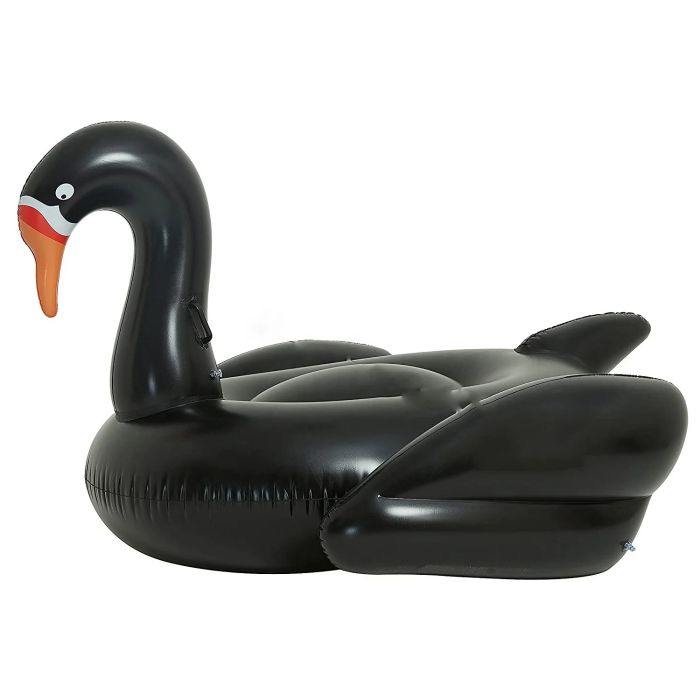
It also helps to practice with support. A pool float or other buoyant aid can make early practice less stressful, especially for children, beginners, or anyone who feels uncomfortable letting go in the water. In training or leisure settings, stable inflatable products can help people focus on body position and relaxation before moving into unsupported floating. For brands, clubs, or aquatic programs looking at custom pool float options, practical design and comfort can make beginner-friendly water experiences much easier to build.
The biggest mistake is trying to hold the body up through force. Lifting the head, tightening the neck, kicking too much, or pressing the hands down too aggressively usually works against natural buoyancy. Another mistake is expecting a perfect flat position right away. Floating is a balance skill, and balance improves through repetition.
People also give up too quickly after one or two attempts. Floating is often learned through short practice sessions rather than one dramatic breakthrough. A few minutes of focused practice, repeated regularly, tends to work better than one long and frustrating session.
Some people can back float in their first lesson, while others need several sessions before they feel comfortable. The timeline depends on confidence, breathing control, body awareness, and how relaxed the swimmer can stay. Progress is rarely linear. One day the body feels unstable, and the next day the position suddenly makes sense.
What matters most is consistency. Practicing in a calm environment, starting with simple posture corrections, and repeating the same steps builds skill much faster than jumping from one method to another.
Learning how to float in a pool is less about strength and more about trust, breath, and body position. When you relax the neck, open the chest, and let the water support you, floating becomes much easier and more natural. Start with the basics, keep your movements quiet, and give yourself time to adjust.
If you are exploring pool float solutions for training, leisure, or custom product development, New-Ideass can also help with practical guidance and product support. Send us your questions and we will help you find a more suitable direction based on your use scenario, design needs, and target market.
Previous: How Do You Float in A Pool?
 Mobile Phone:
 Phone:
 Contact Now
 Youtube