
Inflatable Pools are a fantastic way to enjoy the summer heat, offering a quick and easy solution for fun in the water right in your own backyard. However, maintaining a clean inflatable pool is essential not only for prolonging the life of the pool but also for ensuring a safe and enjoyable swimming experience. In this article, we’ll walk you through everything you need to know about keeping your inflatable pool clean and in top condition, so you can enjoy your leisure time without worrying about cleanliness.
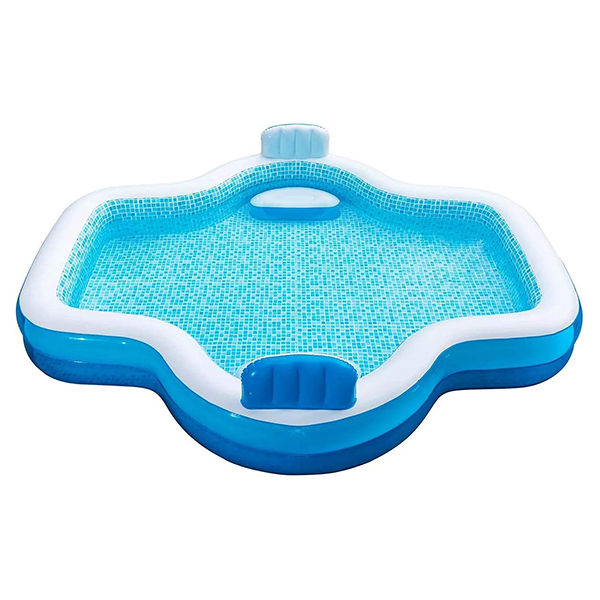
Keeping an inflatable pool clean goes beyond aesthetics. It’s vital for maintaining the water quality and safety of swimmers. Unclean water can harbor bacteria, algae, and debris, which could lead to skin irritation, infections, or even more severe health issues. Furthermore, accumulated dirt and debris can damage the pool material, leading to wear and tear or even holes that will need repairing. Cleaning your pool regularly helps maintain a pleasant environment for swimming, ensures safe water quality, and extends the pool’s lifespan.
Before diving into the steps of cleaning your inflatable pool, it’s important to understand the common contaminants that can affect your pool water.
Dirt, leaves, and other debris will inevitably find their way into your pool, especially if it’s placed outdoors. Not only do they make the pool water look murky, but they can also clog the pool's filtration system, making cleaning harder.
Algae are microscopic organisms that can quickly multiply in warm water, turning your pool into a green, slimy mess. Algae thrive in unbalanced water conditions and can stick to the pool liner, making it harder to clean and maintain.
Bacteria, viruses, and other harmful microorganisms are common in pools that aren’t adequately cleaned or treated. They thrive in stagnant, warm water, posing health risks to anyone who uses the pool. Therefore, ensuring your pool is kept clean helps to prevent the growth of these dangerous pathogens.
Sunscreen, tanning oils, and lotions are another common pollutant in inflatable pools. While they keep your skin protected from the sun, they can create an oily film on the water’s surface, making it hard for cleaning systems to work efficiently.
Regular maintenance is key to keeping your inflatable pool fresh and clean. Here are the essential steps to follow:
The first and easiest step to maintain a clean pool is regularly skimming the surface to remove floating debris. Use a pool skimmer, which is a simple tool with a net, to scoop up leaves, twigs, bugs, and other debris. This should be done daily, especially during peak usage times or if your pool is located near trees or other vegetation.
Skimming the surface also prevents debris from sinking to the bottom or breaking down into smaller particles that are harder to remove. It's best to use a long-handled skimmer for easier access to all areas of the pool.
While skimming the surface removes debris, the walls and floor of the inflatable pool will also need regular cleaning. Over time, algae, dirt, and grime can build up along the pool’s sides, particularly in hard-to-reach areas.
You can use a soft pool brush or a mild cleaning solution to scrub the sides and floor of the pool. Be careful not to use abrasive materials that could damage the pool liner. If the pool is too large to scrub by hand, consider using a pool vacuum designed for inflatable pools.
Inflatable pools are usually filled with fresh tap water, which can easily become unbalanced. It’s essential to monitor the pool’s pH, chlorine levels, and alkalinity to prevent the growth of harmful bacteria and algae.
Investing in a water testing kit will allow you to regularly check your pool’s water quality. The pH should ideally be between 7.2 and 7.8, and chlorine levels should be maintained between 1 and 3 parts per million (ppm). When the water’s chemistry is unbalanced, it can cause cloudiness, encourage algae growth, or even irritate your skin.
To adjust the water chemistry, you can add pH increasers or decreasers and chlorine tablets, which can be easily found in pool supply stores. If you're unsure about how to balance your pool water, consider consulting a professional.
One of the easiest ways to keep your inflatable pool clean is by using a pool cover when the pool is not in use. A cover will help prevent debris from entering the pool, especially leaves, dirt, and insects. It also helps to keep the water warm and can reduce the need for cleaning chemicals.
There are various types of pool covers available, from mesh tarps that allow rainwater to drain to solid covers that protect the pool from debris and the sun. Be sure to choose a cover that fits the size of your pool for optimal protection.
If your inflatable pool comes with a built-in filtration system, it’s essential to keep it clean and functioning properly. Pool filters work by circulating the water and trapping dirt and debris. Over time, the filter will become clogged and less effective, leading to poor water quality.
Clean the filter regularly, following the manufacturer’s instructions, and replace it when necessary. Depending on the size and type of your pool, you may need to clean or replace the filter every 1–2 weeks.
While regular cleaning and maintenance can keep your pool clean, there comes a time when emptying and refilling the pool is necessary. Over time, even with proper maintenance, water can become too contaminated with chemicals and debris, or the water quality may degrade.
If the pool water starts to look cloudy or the chemicals become too difficult to balance, it's a good idea to drain the pool and refill it with fresh water. This should be done at least once or twice during the swimming season, depending on the size of the pool and frequency of use.
Maintaining the cleanliness of your inflatable pool requires ongoing effort. However, following a few tips can help keep your pool in top shape for years to come.
Inspect your inflatable pool regularly for any signs of damage. Look for punctures, leaks, or weak spots in the material that could cause the pool to lose air or water. If you find any damage, repair it immediately using a pool patch kit. The longer you wait, the more difficult the repair may become.
When the weather starts to cool down, it’s important to store your inflatable pool properly to prolong its life. Clean the pool thoroughly, remove all water, and allow it to dry completely before deflating. Storing the pool while it’s still wet can lead to mold and mildew growth, so it’s crucial to dry it properly before folding and storing it in a cool, dry place.
If you use chemicals to maintain the water quality in your pool, be sure to choose products that are safe for inflatable pools. Harsh chemicals can damage the material, causing leaks or degradation. Opt for pool-specific cleaning solutions that are designed for use with inflatable pools to ensure both effectiveness and safety.
Avoid using harsh chemical cleaners or abrasive scrubbers on the inflatable pool surface. These can scratch the material, leading to tears and holes. Stick to mild soap and water for cleaning, and use a soft brush or cloth to wipe down surfaces.
Keeping an inflatable pool clean is an essential part of pool maintenance. With the right tools and consistent care, you can enjoy crystal-clear water all season long while preventing issues like algae, bacteria, and debris buildup. By following the steps outlined above and implementing long-term care strategies, you can extend the life of your pool and create a safe, fun environment for swimmers.
If you have any questions about pool maintenance or need assistance with your inflatable pool, feel free to reach out to us. We offer guidance and advice to help you keep your pool in excellent condition so you can enjoy the summer without worries.
For more information or product inquiries, please don't hesitate to contact us—we're here to help!
Previous: How To Float in A Pool?
 Mobile Phone:
 Phone:
 Contact Now
 Youtube