
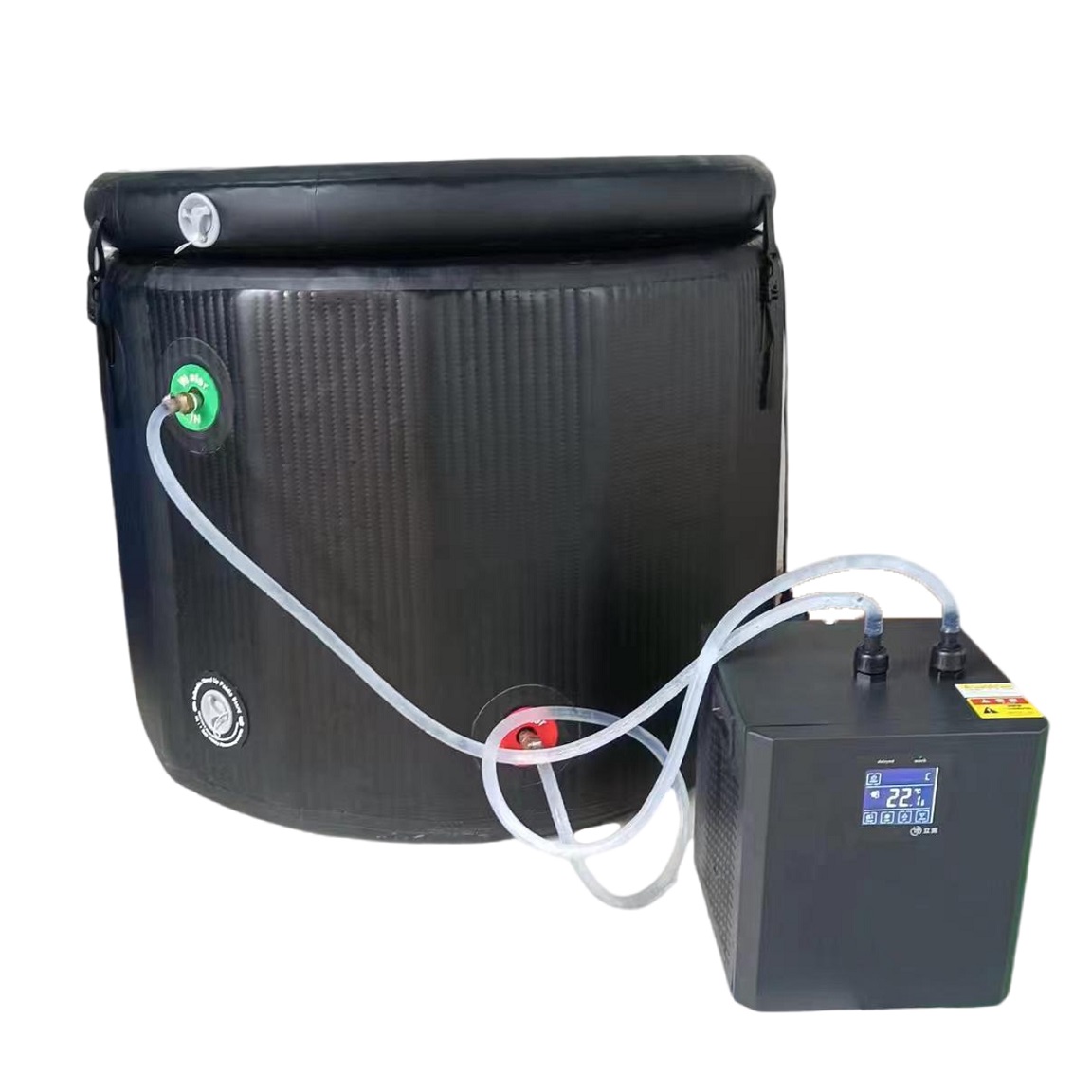
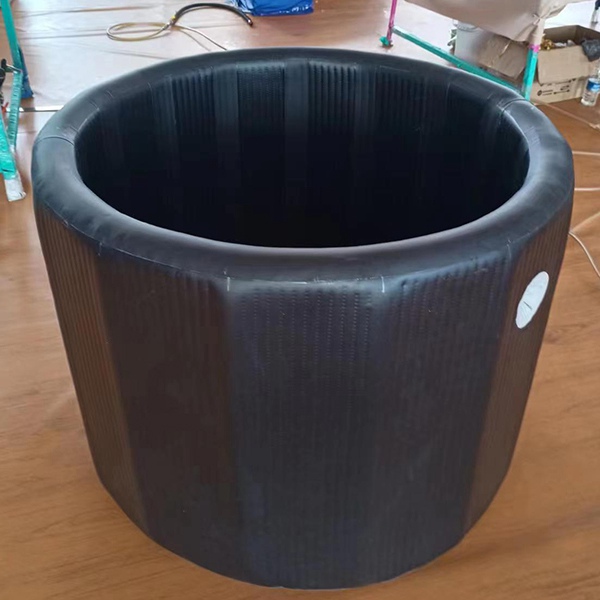
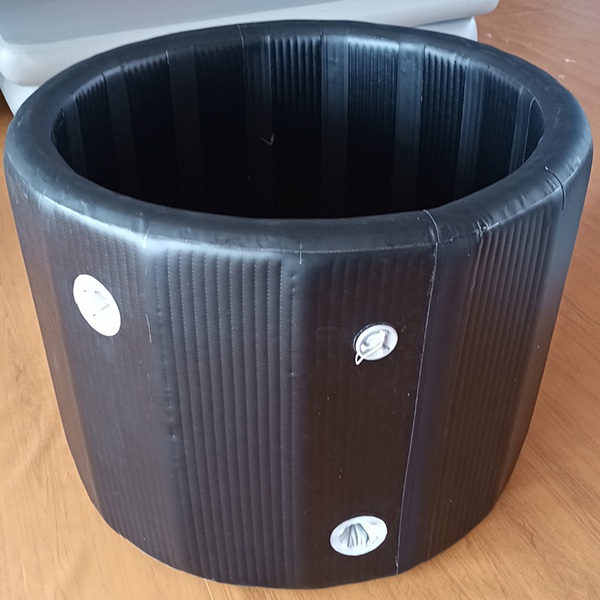
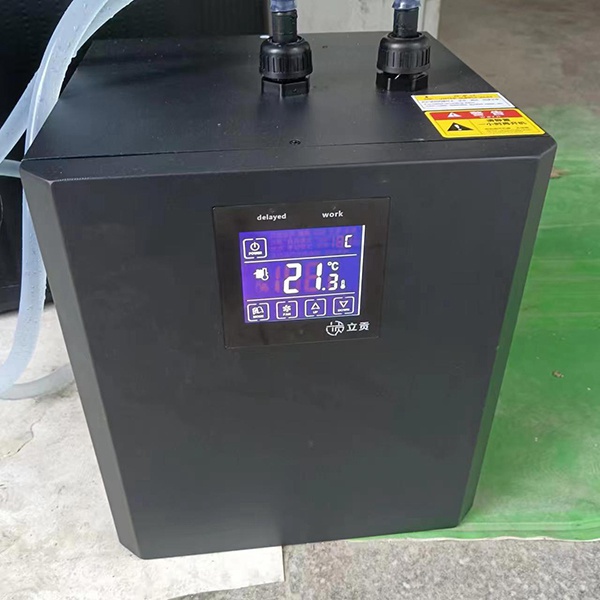
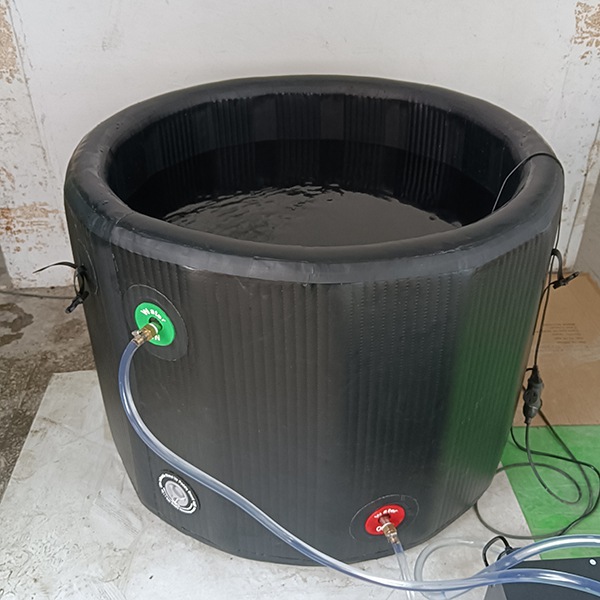
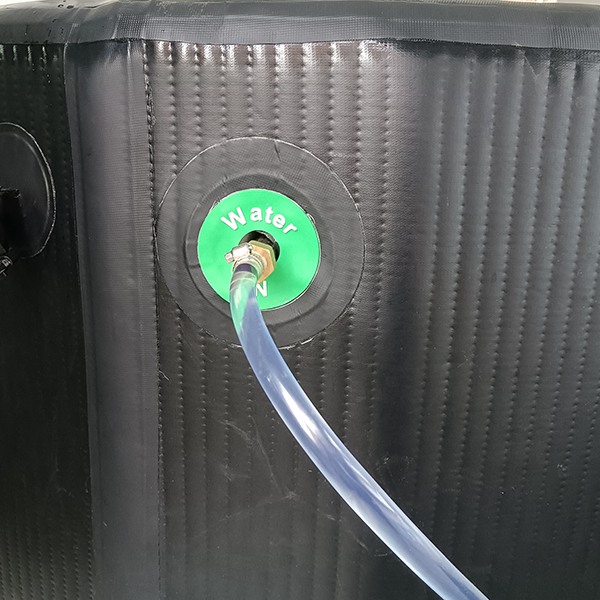
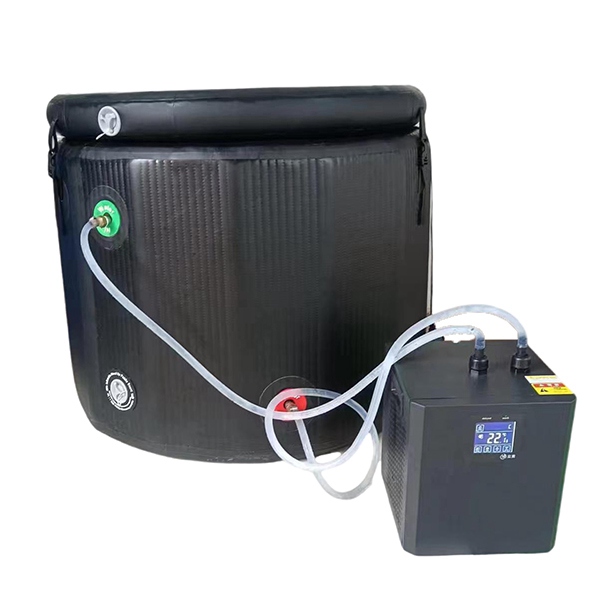
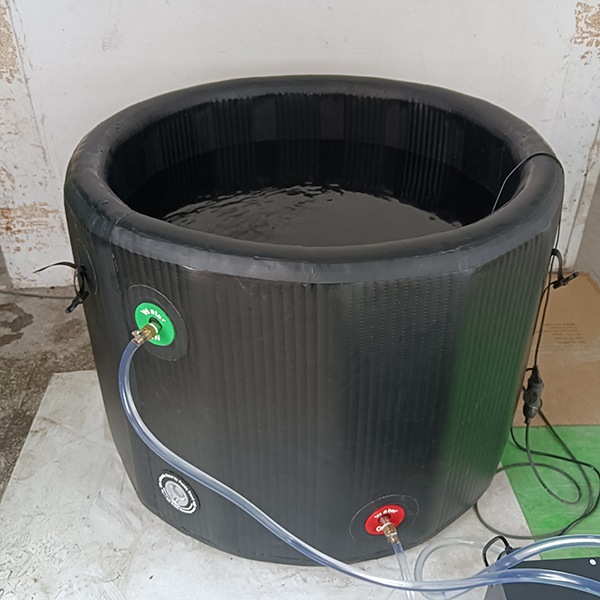
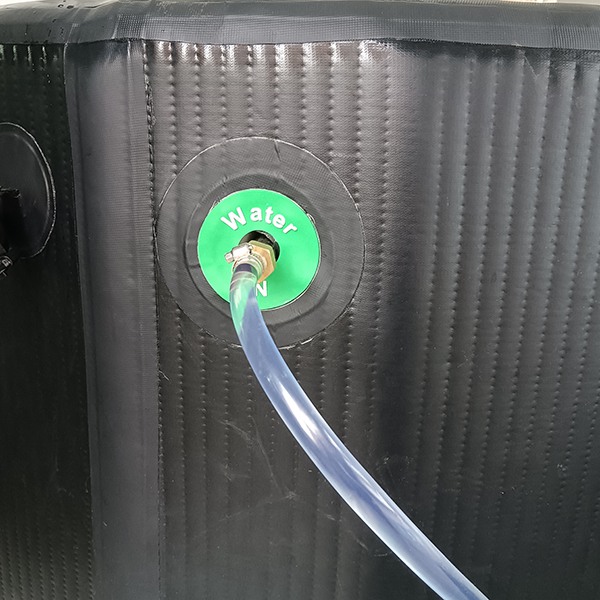
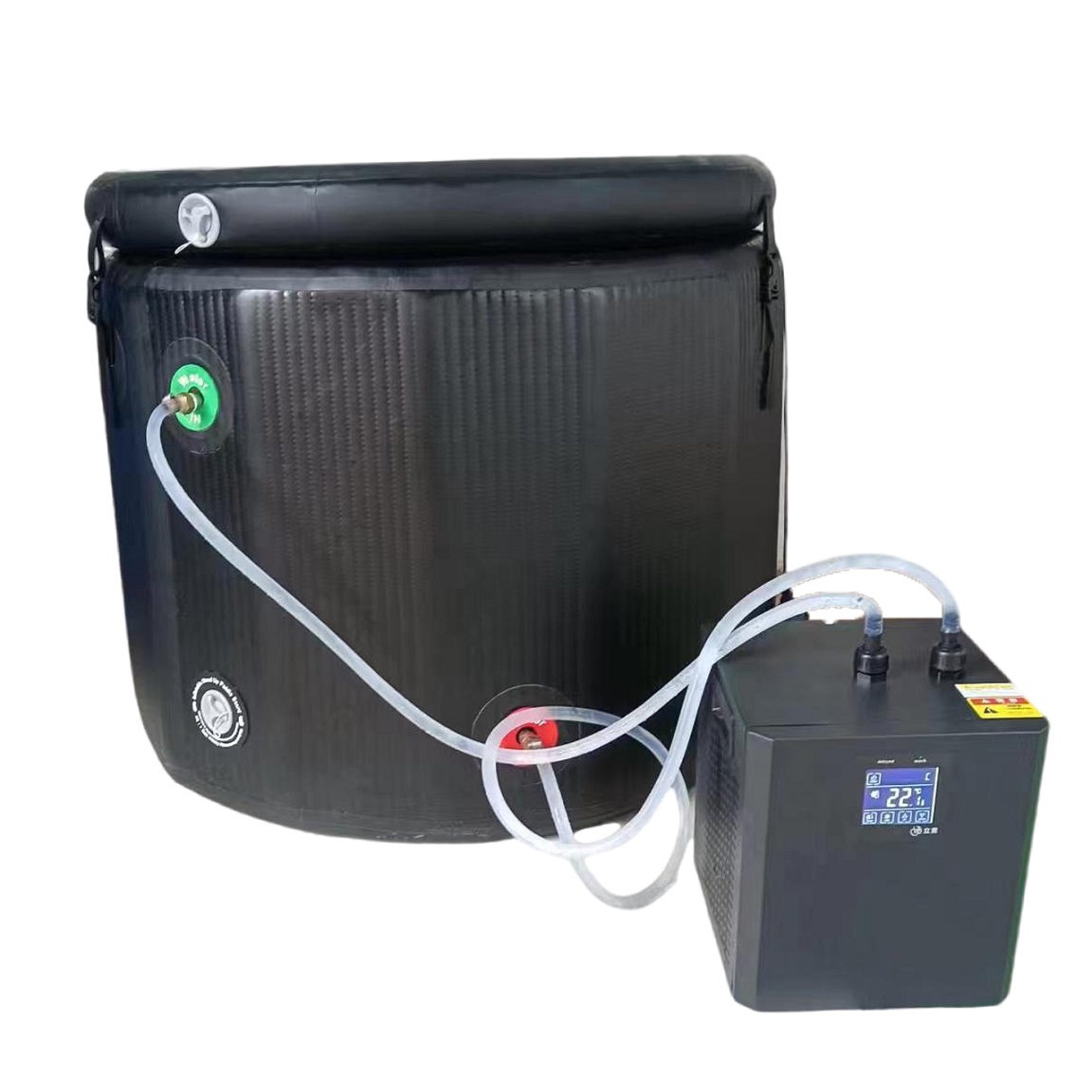
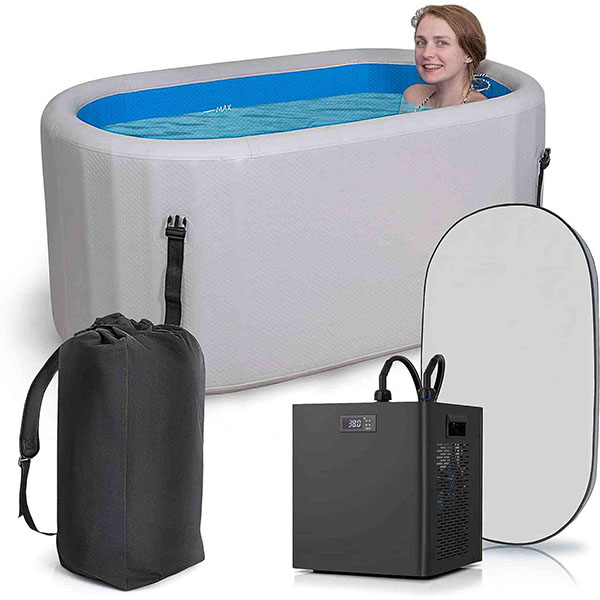
The cold water immersion Tub is a cryotherapy system consisting of a foldable cold water immersion tub and a separate cooling circulation unit. It is primarily used for cold water therapy and sports recovery. The system connects the tub to the cooling unit via low-temperature resistant water pipes. The cooling module can continuously lower the water temperature in the tub to near 0°C (32°F) and maintain it within a stable range. The tub itself features a multi-layer composite structure, and after inflation, it can withstand long-term use with a full tub of water and a person immersed in it. It is also foldable, detachable, and easy to transport and store, making it suitable for home use, training facilities, and temporary recovery settings.
| Place Of Origin: | China |
| Color: | Black |
| Size: | 95cm*95cm |
| Logo: | Accept Customized Logo |
| Packaging: | Opp Bag / Brown Box / Color Box |
| Transportation: | Express, Sea, Land, Air |
| Type: | Recovery Inflatable Bathtub |
| Material: | Other |
| Payment Method: | T/T |
| Terms Of Trade: | T/T |
1. Stable Cooling Capacity
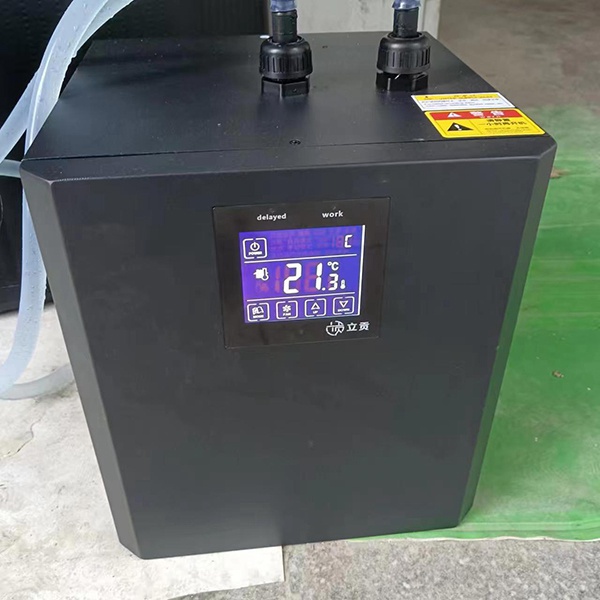
The Cold Water Immersion Tub's cooling system utilizes a compressor-based refrigeration solution, capable of continuously maintaining the water temperature between 0–5°C in a normal ambient environment. In a full-water state, the system achieves an average cooling efficiency of 6–10°C/hour, and maintains temperature fluctuations within ±1°C during stable operation. Stable low-temperature output is crucial for the effectiveness of cold water immersion therapy, preventing problems such as insufficient cold stimulation or inconsistent recovery results due to rapid water temperature increases.
2. Multi-Layer Insulated Tub Structure
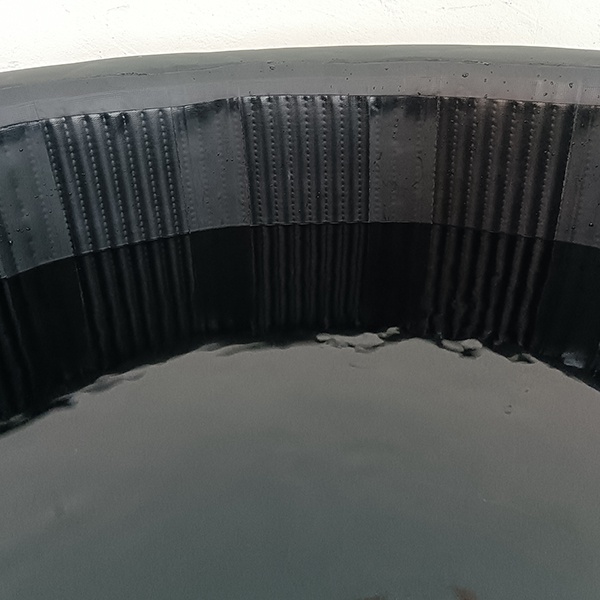
The tub features a multi-layer composite structure design, typically including an outer PVC layer, a waterproof structural layer, an insulation layer, and an inner liner layer, usually totaling 5–6 layers. Under the same environmental conditions, this structure reduces heat exchange efficiency by approximately 30–45% compared to single-layer inflatable tubs, effectively extending the low-temperature retention time and reducing the frequency of the cooling system's operation, thereby lowering overall energy consumption and equipment load.
3. Circulation and Filtration
The system includes a built-in circulating water pump and basic filtration components, with a circulation flow rate typically reaching 800–1200 L/h, ensuring continuous water flow within the tub during use. Circulation and filtration effectively reduce the accumulation of suspended impurities such as hair and skin flakes, lowering the risk of water contamination. Compared to static cold water immersion methods, this system is more suitable for continuous or repeated use scenarios, helping to reduce the time and water costs associated with frequent water changes.
4. Load-Bearing Capacity and Structural Stability
The tub body is primarily constructed from high-density, environmentally friendly PVC material with a thickness of 0.45–0.6 mm, capable of withstanding a static load of 100–150 kg under standard inflation pressure. This load-bearing capacity accommodates the sitting or semi-squatting immersion needs of most adult users, while maintaining the structural stability of the tub walls, preventing collapse or deformation, and ensuring safety and comfort during use.
5. Precise Temperature Control and Operating System
The cooling equipment is typically equipped with an LED digital display and a button-operated control panel, supporting real-time water temperature monitoring and temperature adjustment with 1°C precision. Users can gradually adjust the water temperature according to their tolerance level, rather than entering an extremely low-temperature state all at once. This controllability is particularly important in rehabilitation training and long-term use scenarios, helping to reduce the risk of cold stimulation and improve safety margins.
1. Professional Athlete Recovery
After high-intensity training or competition, the Cold Water Immersion Tub is commonly used for lower limb or whole-body cold water immersion recovery. Studies show that immersion in water below 10°C for 10–15 minutes helps alleviate delayed onset muscle soreness and reduce inflammation. Stable low-temperature control ensures consistent recovery conditions after each training session, making it suitable for long-term use by individuals who train frequently.
2. Gyms and Training Facilities
In commercial gyms or fitness centers, this equipment can be deployed as a standardized recovery facility. Compared to traditional ice pack cooling methods, the refrigeration system reduces manual operation and consumable consumption while enhancing the overall professional image. Through fixed or semi-fixed installation, training institutions can provide members with continuous, controllable cold therapy services in limited spaces.
3. Home Rehabilitation and Daily Recovery
For home users who are sedentary for long periods or engage in physically demanding activities, the Cold Water Immersion Tub can be used as a daily recovery tool. By setting the water temperature between 8–12°C, it can promote blood circulation and nerve alertness without causing significant discomfort. The foldable design makes it more suitable for home environments with limited space.
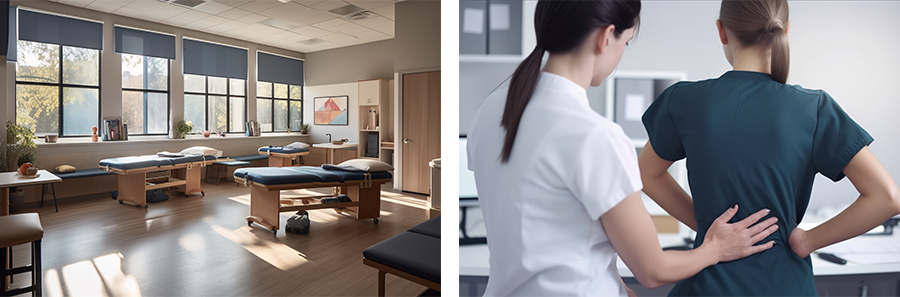
4. Rehabilitation and Physical Therapy Institutions
In rehabilitation centers or physical therapy institutions, this equipment is often used for cryotherapy or alternating hot and cold therapy. By precisely controlling the water temperature and immersion time during the low-temperature phase, therapists can develop reproducible standard procedures for different rehabilitation stages, improving overall treatment consistency.
5. Outdoor and Event Support
At event venues or outdoor training camps, the foldable and transportable nature of the Cold Water Immersion Tub allows for quick deployment. Its significantly reduced size after deflation allows for easy transportation by vehicle, providing immediate cold water recovery support for participants.
A: The water temperature for cold water immersion needs to be controlled based on the purpose of use and individual tolerance. For most users, it is recommended to set the water temperature of the Cold Water Immersion Tub to 8–12°C for regular use. This range provides a significant cold stimulus effect without placing excessive strain on the body.
A: The duration of a single cold water immersion session should follow a gradual approach. For first-time users of the Cold Water Immersion Tub, it is recommended to limit the immersion time to 3–5 minutes, focusing on observing the body's reaction. As tolerance increases, the time can be gradually extended to 8–12 minutes, but it is generally not recommended to exceed 15 minutes per session.
A: Whether to use the Cold Water Immersion Tub daily depends on the purpose of use and the body's recovery status. For recovery after high-intensity training, it can be used daily for a short period, but the immersion time should be appropriately shortened. For daily relaxation or basic recovery, it is more advisable to use it every other day or 2–4 times a week to avoid fatigue caused by accumulated cold stimulation.
A: Before using the Cold Water Immersion Tub, ensure that you are in good health and avoid cold water immersion on an empty stomach, after drinking alcohol, or when feeling unwell. During immersion, avoid suddenly entering the cold water completely; it is recommended to enter the water slowly to reduce the intensity of the stimulus. Also, pay attention to any signs of dizziness, abnormal heart rate, or significant discomfort, and stop using it immediately if any of these occur.
A: If the Cold Water Immersion Tub is equipped with a circulation system, the same water can be reused for a short period, but it still needs to be changed regularly based on the frequency of use and hygiene conditions. For single-person use, it is recommended to change the water every 1–2 days; for multiple users or high-frequency use, the water should be changed more frequently to reduce the accumulation of impurities and bacteria.

 Mobile Phone:
 Phone:
 Contact Now
 Youtube