
Pool Floats are a universal symbol of summer relaxation—colorful, buoyant, and fun. From inflatable lounge chairs and unicorn rafts to floating drink holders, these products come in endless shapes and designs. Yet behind their playful appearance lies a carefully engineered material science that determines durability, safety, and environmental impact. Understanding what pool floats are made of helps consumers choose better-quality, longer-lasting, and more eco-conscious products.
This article explores the materials used in manufacturing pool floats, focusing on traditional PVC, newer eco-friendly PVC alternatives, and the future of sustainable flotation materials.
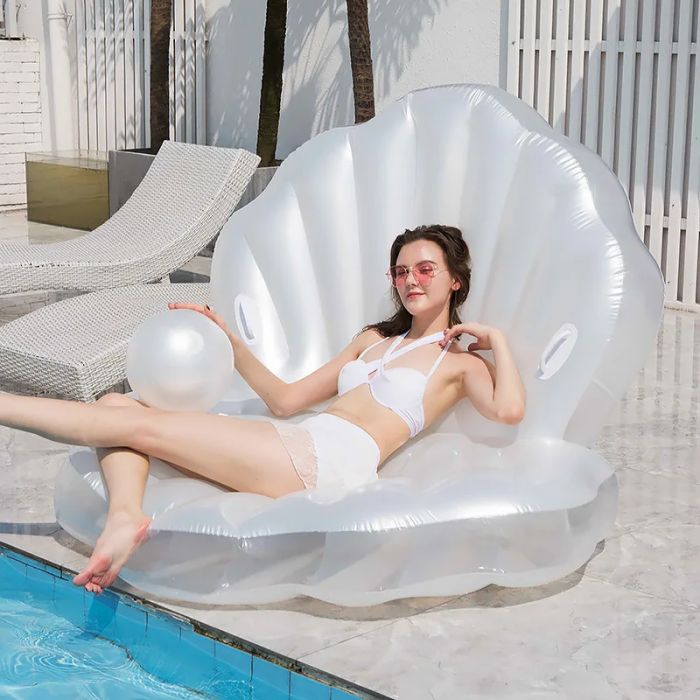
For decades, most pool floats have been made from polyvinyl chloride (PVC)—a flexible, waterproof plastic known for its smooth surface and ability to hold air pressure effectively. PVC remains the dominant material because it balances affordability, strength, and ease of production.
PVC has several characteristics that make it ideal for pool float construction:
Water Resistance: PVC naturally repels water and resists damage from chlorine and salt, ensuring that floats maintain integrity in pools or seawater.
Durability: High tensile strength allows PVC to withstand repeated inflation and deflation cycles without tearing.
Air Tightness: When sealed through heat or radio-frequency welding, PVC creates airtight seams capable of withstanding internal air pressure.
Malleability: Manufacturers can mold PVC into complex shapes such as animals, loungers, or novelty designs while maintaining structural balance.
The result is a material that offers a perfect combination of flexibility and stability—qualities that make inflatables comfortable to use and easy to transport.
Mixing and Sheet Production: PVC resin is blended with softening agents (plasticizers) to make it flexible. This mixture is pressed into thin sheets.
Printing and Cutting: Designs or colors are printed onto the sheets before being cut into specific shapes using precision molds.
Sealing: Pieces are joined using heat or ultrasonic welding, forming airtight chambers.
Valve Installation: Inflation valves are inserted and heat-sealed into the body.
Testing: Each float is pressure-tested to ensure there are no air leaks or weak seams.
Despite its practical advantages, traditional PVC presents several environmental and health concerns:
Plasticizers (Phthalates): Many older floats use phthalate-based softeners that can leach into the environment or water.
Non-Biodegradability: PVC takes hundreds of years to decompose, leading to long-term waste accumulation.
Energy-Intensive Production: Manufacturing PVC requires fossil fuels and generates greenhouse gas emissions.
As consumer awareness grows, many manufacturers are moving toward eco-friendly PVC alternatives that retain durability while minimizing environmental harm.
The modern market is transitioning toward eco-friendly PVC, often labeled as “phthalate-free” or “non-toxic PVC.” These new materials maintain the performance characteristics of traditional PVC but eliminate many harmful additives.
Eco-friendly PVC uses non-phthalate plasticizers derived from natural or synthetic esters that are safer for humans and the environment. It may also include:
Recycled PVC Content: Incorporating pre-consumer or post-industrial PVC waste reduces virgin material use.
Lead- and Cadmium-Free Stabilizers: These replace heavy-metal additives, making the final product safer for both children and aquatic ecosystems.
Low-VOC Manufacturing: Improved formulations reduce volatile organic compound emissions during production.
In short, eco-friendly PVC retains waterproofing and strength while offering a smaller ecological footprint.
Healthier for Users: Phthalate-free PVC does not release harmful gases or residues, making it suitable for family use, including children’s floats.
Reduced Environmental Impact: Manufacturers using eco-PVC often adopt cleaner production methods that minimize waste and energy consumption.
Recyclability: While full recycling of PVC remains complex, eco-friendly variants can often be reprocessed into new sheets or products with fewer impurities.
UV Resistance: Many eco formulations include enhanced UV stabilizers, preventing yellowing or brittleness caused by sun exposure.
Soft-Touch Loungers: Eco-PVC creates a more skin-friendly surface that stays cooler under sunlight.
Luxury Brand Floats: Premium manufacturers often use REACH- and RoHS-certified PVC for compliance with global safety standards.
Commercial Resort Floats: Large-scale operators prefer eco-PVC for its long lifespan and lower chemical odor.
Even eco-friendly PVC requires proper care:
Store in shaded areas when not in use to avoid UV damage.
Avoid contact with oils or lotions that could degrade surface coating.
Rinse after exposure to chlorinated or salt water to maintain elasticity.
With correct maintenance, eco-friendly PVC floats can last several seasons while maintaining structural integrity and color brightness.
As sustainability becomes a global priority, manufacturers are exploring non-PVC alternatives that further reduce environmental impact while providing similar performance.
TPU is one of the most advanced substitutes for PVC. It offers excellent elasticity, abrasion resistance, and transparency while being free from chlorine compounds.
Eco Benefits: TPU can be fully recyclable and emits fewer toxins during production.
Durability: It’s stronger than PVC and resists punctures, UV rays, and temperature fluctuations.
Soft Feel: TPU floats often have a smooth, silky texture preferred by premium brands.
Challenges: Higher cost and more complex welding processes make TPU less common for mass-market inflatables.
EVA foam is another lightweight alternative used for foam-based floats, kickboards, and pool loungers. It’s buoyant without requiring inflation.
Advantages: No need for valves or pumps, fully closed-cell structure, and excellent comfort.
Limitations: Less compact for storage and not as decorative as inflatable PVC designs.
Some innovative brands are experimenting with recycled polyethylene (PE) and thermoplastic elastomers (TPE) blended with eco additives. These materials use waste plastic from bottles or industrial scrap, transforming it into new inflatables.
Key Benefit: Drastically reduces landfill waste and energy consumption.
Drawback: Achieving consistent quality and airtight seals can be more challenging compared to PVC.
In recent years, bio-PVC and bio-TPU made from renewable plant oils have gained attention. These materials aim to replicate the flexibility and durability of fossil-based polymers while reducing carbon emissions by using renewable sources such as corn, sugarcane, or castor oil.
While still in early stages, bio-based options represent the future of sustainable pool float manufacturing.
Pool floats may look simple, but their composition involves advanced material science that balances comfort, function, and sustainability. Traditionally made from PVC, these products have evolved toward eco-friendly PVC, TPU, and bio-based plastics that prioritize health and environmental responsibility.
Modern eco-friendly PVC maintains all the durability and waterproofing advantages of standard PVC while eliminating harmful additives, making it the preferred material for both manufacturers and environmentally conscious consumers. As innovation continues, sustainable materials will define the next generation of inflatables—ensuring you can enjoy fun in the sun without compromising the planet.
Previous: How To Patch A Pool Float
 Mobile Phone:
 Phone:
 Contact Now
 Youtube