
Pool Floats are a staple of summer fun—whether it’s lounging on an inflatable mattress, floating unicorn, or a colorful donut ring, they make any pool experience more relaxing and enjoyable. However, inflating them properly is key to both safety and longevity. Many people struggle with leaks, overinflation, or simply not knowing the most efficient way to get air into larger floats. Learning how to blow up pool floats the right way ensures a smooth setup process, maintains structural integrity, and keeps your float in good condition for many seasons.
This comprehensive guide explains every step of inflating pool floats correctly—from the tools and methods you can use, to troubleshooting, safety checks, and long-term maintenance. Whether you’re at home, the beach, or on vacation, this article will help you get your inflatables ready quickly, safely, and efficiently.
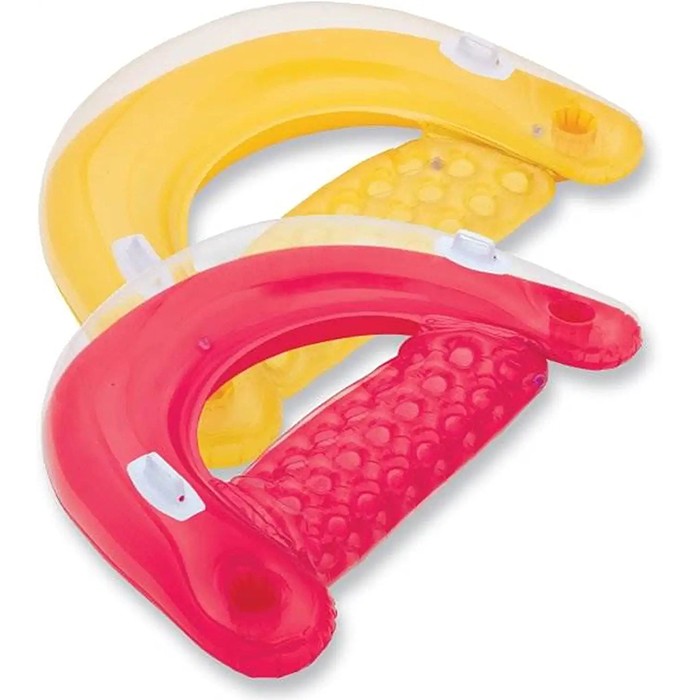
Before inflating any pool float, it’s important to identify the type of float and valve it has. Different models require different inflation methods and tools.
Single-Chamber Floats:
These are small inflatables like rings or pillows with only one air chamber. They are easy to blow up manually and typically use simple one-way valves.
Multi-Chamber Floats:
Larger loungers, chairs, and animal-shaped floats often include multiple air chambers for stability. Each chamber needs to be filled separately to maintain balance.
Heavy-Duty or Ride-On Floats:
Made of thick PVC material, these require more air and higher pressure. An air pump is strongly recommended for these to avoid fatigue and ensure even inflation.
Self-Inflating Floats (Rare):
Some premium models feature built-in automatic inflation pumps powered by batteries or USB. These are convenient but still need occasional manual adjustment for firmness.
Pool floats feature different types of valves, which determine how you should blow them up:
Pinch Valves: A standard design for small floats. You squeeze the valve base to open it while inflating.
One-Way Valves (Boston Valves): These prevent air from escaping during inflation, often used in larger floats.
Double-Valve Systems: Include two sections—one for inflating and another for quick deflation.
Wide-Mouth Valves: Found on heavy-duty floats; they accommodate high-output pumps for rapid filling.
Before inflating, check each valve’s type and location to plan your process. Multi-chamber floats may have separate valves hidden in corners, wings, or legs, so make sure you find them all first.
How you inflate your pool float depends on its size, available tools, and environment. Below are several safe and effective methods to choose from.
This is the most basic method and works best for small items such as swim rings, arm floaties, or inflatable pillows.
Steps:
Ensure the valve is clean and free from dust.
Insert the valve into your mouth and pinch the base to open the seal.
Blow steady, deep breaths into the valve until the float feels firm but not overly tight.
Quickly remove your mouth and seal the valve by pressing down firmly.
Tips:
Take short breaks to prevent dizziness. If resistance increases significantly, stop to check that air is not leaking or overpressurizing the chamber.
A hand pump is one of the easiest ways to inflate medium-sized floats while avoiding fatigue.
Steps:
Connect the correct nozzle adapter to the pump hose.
Insert the nozzle into the float’s valve.
Hold both ends firmly and begin pumping with steady strokes.
Inflate until the float feels evenly firm.
Remove the nozzle quickly and close the valve immediately to prevent air loss.
Advantages:
No electricity required.
Portable for outdoor use.
Reduces risk of overinflation compared to powered pumps.
Note: Choose a dual-action hand pump if possible—it pushes air during both the up and down strokes for faster inflation.
For large floats like giant swans or multiple loungers, electric air pumps provide quick, effortless inflation.
Steps:
Plug the pump into a power source or insert charged batteries.
Select the proper nozzle size that fits snugly into the valve.
Turn on the pump and hold it firmly until the float starts filling.
Monitor the pressure closely—stop when the float reaches firmness but still compresses slightly under pressure.
Remove the nozzle and close the valve promptly.
Advantages:
Ideal for big floats and frequent use.
Fastest inflation method available.
Some models also have a deflation function for packing up quickly.
Safety Tip:
Do not leave an electric pump unattended during use. Overinflation can cause seams to burst or distort the float’s shape.
If you don’t have a pump, a hair dryer with a cool-air setting or a vacuum cleaner with a reverse airflow option can work in a pinch.
Steps:
Attach a plastic bottle neck or funnel to the dryer’s nozzle to focus airflow.
Insert the tip into the float’s valve and secure with tape if necessary.
Set the dryer to cool mode only—never use heat, as it can melt plastic.
Run the airflow steadily until the float expands fully.
Warning:
This is a temporary solution. Using hot air or incorrect attachments can damage the valve or material.
If you have access to an air compressor, it can inflate large commercial-grade floats quickly, but caution is essential.
Steps:
Set the compressor to its lowest pressure setting (usually below 2 PSI).
Attach a small inflation nozzle to control airflow precisely.
Inflate slowly while checking firmness every few seconds.
Stop immediately once the float feels firm and stable.
Caution:
Too much pressure can rupture seams instantly. Always use a pressure regulator and monitor closely during inflation.
Inflating pool floats is simple, but improper handling can lead to leaks, deformation, or even bursting. The following section explains how to maintain correct air pressure and address common issues.
Proper air pressure is crucial for both comfort and longevity.
Ideal firmness: The float should hold its shape firmly but still depress slightly when you press it with your hand.
Avoid overinflation: Overfilled floats may strain seams and lose elasticity. Warm air expands under sunlight, increasing pressure and risk of rupture.
Underinflation: Too little air makes the float unstable and may cause sagging, especially in multi-chamber models.
When in doubt, leave a small margin for expansion—air naturally expands when exposed to heat.
Even new floats can develop small leaks during or after inflation.
Inflate the float fully.
Submerge it in water (if small enough) or spray soapy water over the surface.
Look for bubbles forming, which indicate escaping air.
Mark the spot with a waterproof marker and patch it using a repair kit.
Most floats include a PVC repair patch—simply apply adhesive and press the patch firmly for several hours before reinflating.
Make sure you’re using the correct nozzle size. If the nozzle doesn’t fit tightly, wrap the connection with a cloth or use your hand to seal around the joint.
Always inflate the base chamber first, followed by the upper ones. This ensures a stable structure and prevents one side from stretching more than the other.
If your float consistently deflates overnight without visible leaks, the valve seal may be worn. Apply a few drops of soapy water to the valve area—if bubbles form, replace or tighten the valve insert.
Inflatables react strongly to temperature changes:
In direct sunlight, air expands, increasing pressure by up to 20%. If your float feels rock-hard, release a small amount of air.
In cool water or shaded conditions, air contracts, making the float softer. Add air if needed to restore firmness.
To avoid stress cracks, store floats in moderate conditions when not in use.
Proper inflation is only half the equation—keeping your floats clean and well-maintained ensures long-term usability and safety.
When it’s time to pack up:
Open all valves and gently press on the float to push air out.
For large floats, use the deflate function on your pump or gently roll the material to squeeze out trapped air.
Avoid jumping or pressing with sharp objects to speed up the process—this can damage seams.
Once fully deflated, wipe the surface dry before folding.
After every use, especially in chlorinated pools or seawater:
Rinse thoroughly with fresh water to remove salt or chlorine.
Mix mild soap with water and gently wipe the surface using a soft cloth.
Rinse again and dry completely before storage.
Moisture trapped inside folds can lead to mildew or odor, so ensure every section is dry before folding.
Store inflatables in a cool, dry, and shaded place. Avoid direct sunlight or hot attics, as heat weakens the PVC material over time.
Fold loosely instead of tightly compressing; excessive creasing can weaken seam joints. Keep floats away from sharp tools or rough surfaces that could puncture them.
Before each use:
Check seams for separation or brittleness.
Confirm valves are tight and not cracked.
Inflate slightly to verify there are no hidden leaks.
If any damage appears, repair it promptly using a patch kit designed for PVC or vinyl materials.
Avoid dragging floats on concrete or rough pool edges.
Keep pets with claws away from inflatables.
Don’t exceed weight limits specified by the manufacturer.
Avoid using floats as diving or jumping platforms.
Proper care not only ensures safety but also prevents unnecessary waste from prematurely damaged inflatables.
Learning how to blow up pool floats properly transforms setup from a frustrating chore into a quick, easy process. With the right tools—a hand pump, electric pump, or even a manual method—you can inflate any float safely and evenly. Paying attention to valve types, air pressure, and environmental factors keeps your inflatables firm, comfortable, and durable.
After each use, clean and store your floats carefully to extend their lifespan and maintain hygiene. By following these detailed steps and safety guidelines, you’ll be ready to enjoy endless hours of poolside fun—without worrying about leaks, overinflation, or premature wear. A well-inflated float means more relaxation, less hassle, and a perfect way to make the most of your summer.
 Mobile Phone:
 Phone:
 Contact Now
 Youtube