
Maintaining a clean and safe Inflatable Pool is an important part of enjoying summer fun without worry. Many homeowners ask one essential question: can you put chlorine in an inflatable pool? The answer is yes—but it must be done correctly. Chlorine helps control bacteria, algae, and other harmful microorganisms that can quickly multiply in stagnant water. However, inflatable pools require special handling compared to large, permanent swimming pools because of their smaller volume and flexible materials.
In this guide, we’ll explore how chlorine works, what type and amount you can safely use, and how to keep your inflatable pool crystal clear for the whole season. Along the way, we’ll highlight why choosing a durable, multi-layer inflatable pool—like the models we offer—can make maintenance safer and easier.
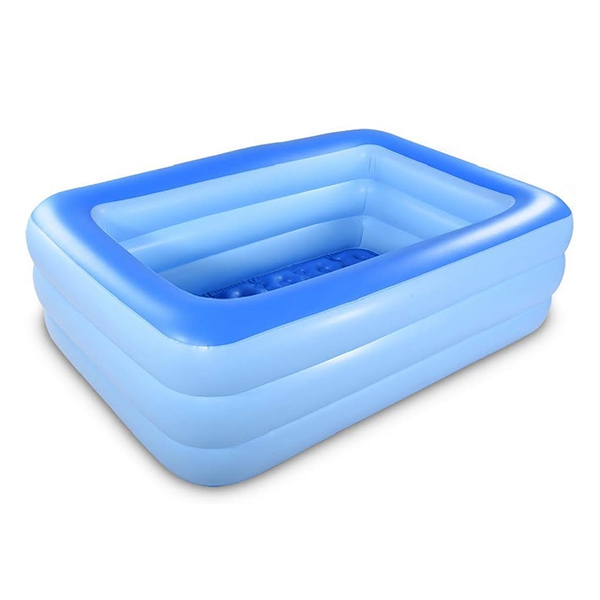
Chlorine is the most widely used sanitizer in swimming pools for good reason. It reacts with bacteria and organic matter in the water, neutralizing them through oxidation. In a few minutes, chlorine can destroy most germs that cause eye irritation, skin discomfort, or even infections.
But inflatable pools have unique conditions. The water volume is much smaller, the pool walls are softer, and people often fill and drain them more frequently. Without proper sanitation, bacteria from sunscreen, sweat, leaves, or dust can turn the water cloudy or slimy in just a couple of days. That’s where controlled chlorine use comes in—it allows your pool to stay fresh longer without frequent refills, saving both water and time.
Yes, you can—but you must carefully control the concentration. Because inflatable pools hold significantly less water than traditional pools, adding too much chlorine can cause over-chlorination, which may irritate the skin or damage the pool’s vinyl surface. A gentle, diluted dose works best.
The safest approach is to use chlorine granules or chlorine tablets designed for small or above-ground pools. These are typically slow-dissolving and easy to measure. Floating dispensers or pre-measured chlorine tablets are particularly effective because they release sanitizer gradually, preventing sudden spikes in chlorine level.
Always test the water after adding chlorine. The ideal concentration is between 1.0 and 3.0 parts per million (ppm)—enough to sanitize the water but still comfortable for swimming. A simple pool testing strip can help you monitor this balance daily.
Different types of chlorine serve slightly different purposes. The best choice depends on your pool size, water frequency, and how often it’s used. The main types include:
| Chlorine Type | Description | Suitable For | Advantages |
|---|---|---|---|
| Dichlor granules | Fast-dissolving powder that works in small doses | Small inflatable pools | Easy to measure; stabilizes against sunlight |
| Trichlor tablets | Slow-dissolving chlorine tablet | Medium to large inflatable pools | Long-lasting and consistent |
| Liquid chlorine (sodium hypochlorite) | Concentrated liquid sanitizer | Larger setups or regular users | Quick disinfection, inexpensive |
| Pool shock (calcium hypochlorite) | High-strength sanitizer for deep cleaning | After heavy use or long stagnation | Restores clear water rapidly |
For most families using an inflatable pool for children or home recreation, trichlor tablets in a floating dispenser are the most convenient. They release chlorine slowly and maintain balance for several days.
Adding chlorine correctly ensures that it disinfects without harming your pool or your skin. Follow these steps carefully:
Measure your pool’s water volume.
Estimate the length × width × average depth (in meters), then multiply by 1,000 to get the volume in liters. For instance, a 2 m × 1.5 m × 0.4 m inflatable pool holds about 1,200 L.
Select the correct chlorine type and dosage.
Most pool-grade chlorine recommends adding 2–3 g per 1,000 L of water to reach 1–3 ppm. Always check the product label for accuracy.
Use a floating dispenser or pre-dissolve granules.
Never dump chlorine directly into the pool—it can cause uneven concentration and damage the vinyl lining. Instead, dissolve it in a bucket of water first or use a dispenser that floats on the surface.
Allow the chlorine to mix thoroughly.
Run your hand or a small brush through the water to distribute the sanitizer evenly. Wait at least 30 minutes before entering the pool.
Test the water.
Use test strips to confirm chlorine levels. If it reads below 1 ppm, add a little more; if above 3 ppm, wait or dilute by adding fresh water.
By following these steps, you can maintain a gentle but effective level of disinfection that keeps the pool safe for everyone.
Frequency depends on usage and weather conditions. On hot, sunny days, chlorine evaporates faster due to ultraviolet light. If multiple people use the pool daily, sweat and sunscreen residues increase chlorine demand. As a rule of thumb:
Add chlorine every 1–3 days for moderate use.
Shock the pool once per week using a higher dose (around 5 ppm) to destroy accumulated contaminants.
Test daily during heavy use to ensure stability.
If the pool is left unused for several days, cover it with a clean pool cover to reduce sunlight exposure and debris accumulation. Chlorine will last longer and the water will stay clear.
When an inflatable pool has no chlorine or any disinfectant, microorganisms begin to multiply rapidly. Warm, stagnant water becomes an ideal breeding ground for bacteria, algae, and even mosquito larvae. Within 48 hours, you may notice:
Cloudy or green water
A slimy or slippery surface
Unpleasant odor
Eye or skin irritation after contact
These are clear signs of microbial growth and organic contamination. Without intervention, such water becomes unsafe, especially for children. In contrast, keeping a small but steady chlorine level eliminates these risks while extending the usable life of your pool water.
Even though chlorine is safe when used properly, certain precautions should be followed:
Never mix different chlorine types. Mixing chemicals such as dichlor and trichlor can trigger dangerous reactions.
Avoid direct contact with concentrated chlorine. Always wear gloves or dissolve granules in water before adding.
Keep chlorine products away from children. Store them in a cool, dry place with proper labeling.
Do not exceed the recommended dose. Too much chlorine can fade pool colors, weaken seams, and irritate eyes or skin.
Ensure ventilation during cleaning. When adding chlorine indoors or under a shade canopy, ensure air circulation.
By observing these practices, you protect both your inflatable pool and your family’s safety.
If you prefer not to use chlorine, there are several alternative sanitization methods that can help maintain basic hygiene:
Frequent water replacement – Drain and refill the pool every 1–2 days, especially for small pools used by children.
Saltwater sanitizing systems – Some portable systems generate chlorine naturally from salt, providing a gentler experience.
Hydrogen peroxide-based cleaners – Mild disinfectants suitable for temporary use but require more frequent reapplication.
UV sanitizing wands or pumps – High-tech but more expensive, they destroy bacteria without chemicals.
While these methods work, chlorine remains the most efficient and cost-effective solution for most inflatable pools, particularly when combined with regular cleaning.
Chlorine does most of the sanitizing work, but cleanliness also depends on physical maintenance. Here are practical tips:
Skim debris daily. Use a small net to remove leaves, insects, or floating particles.
Brush and rinse pool walls. Once or twice weekly, use a soft brush to prevent algae buildup.
Cover the pool when not in use. This prevents dust and insects from entering.
Monitor pH level. The ideal pH is between 7.2 and 7.6. Chlorine works best in this range.
Rinse feet before entering. Encourage swimmers to rinse to reduce contaminants.
These steps complement chlorine use and keep the water fresh, clear, and inviting.
Even with proper chlorination, inflatable pools aren’t meant to hold water for weeks on end. At the end of a use cycle:
Drain the water completely using the bottom outlet.
Rinse the inside with a gentle detergent and soft cloth.
Allow it to air-dry completely under shade.
Fold and store it in a cool, dry place away from direct sunlight.
Regular cleaning extends the pool’s life and prevents mold or odor formation between uses.
At our company, we design inflatable pools with both durability and hygiene in mind. The multi-chamber structure prevents deformation, while thickened PVC materials resist chlorine corrosion. The smooth, non-toxic inner surface makes cleaning simple—just rinse and wipe. Available in rectangular, round, and heart-shaped designs, our pools suit both families and children.
Every pool includes a drain valve, quick-inflate system, and anti-leak seams, allowing users to manage filling, chlorination, and drainage effortlessly. Whether you choose a compact pool for kids or a large family model, you can safely add chlorine following the guidelines above to maintain clean, safe water all season long.
| Problem | Possible Cause | Solution |
|---|---|---|
| Cloudy water | Low chlorine or high pH | Shock the pool and balance pH |
| Green water | Algae growth | Add algaecide or increase chlorine temporarily |
| Strong chlorine smell | Combined chloramines (too little free chlorine) | Shock the pool to oxidize contaminants |
| Eye irritation | High chlorine or unbalanced pH | Test and adjust both chlorine and pH |
| Foamy surface | Sunscreen or soap residue | Skim and partially replace water |
With regular testing and maintenance, these issues are easy to resolve and prevent.
Modern chlorine products are formulated for safety when used responsibly. The low doses used in inflatable pools are far below industrial levels and are safe for home use. After draining, chlorine dissipates quickly in sunlight and air, minimizing environmental impact. For extra eco-conscious users, neutralizing tablets can deactivate residual chlorine before disposal.
Always remember: a small amount of chlorine provides a large margin of safety. It prevents the growth of harmful bacteria that could otherwise cause infections or allergic reactions.
So, can you put chlorine in an inflatable pool? Absolutely—but in moderation and with care. The key is understanding the pool’s size, choosing the right chlorine type, and maintaining the correct concentration. By following the steps in this guide, you can enjoy clear, hygienic water without constant draining or discomfort.
Inflatable pools, like the ones we produce, are designed for ease of care and maximum durability. With proper chlorination and cleaning routines, they become more than just a summer accessory—they’re a safe, refreshing retreat for your family.
If you’re looking for a high-quality inflatable pool that balances comfort, durability, and hygiene, explore our range today. Our models are crafted to handle gentle chlorine treatment, ensuring that every swim is both safe and enjoyable.
Previous: How To Blow Up Pool Floats
Next: What Is A Swimming Ring?
 Mobile Phone:
 Phone:
 Contact Now
 Youtube