
A Swimming Ring, also known as a swim tube or Inflatable Float, is one of the most popular water accessories for people of all ages. It combines safety, fun, and relaxation, making it an essential item for swimming pools, beaches, and water parks. Whether you are learning to swim, floating leisurely under the sun, or simply enjoying family time in the water, a swimming ring provides both support and enjoyment.
Our products are designed with high-quality PVC material, bright colors, and durable construction to ensure comfort and safety during every use. This article will explore what a swimming ring is, how it works, its different types, and how to use and maintain it properly for maximum safety and fun.
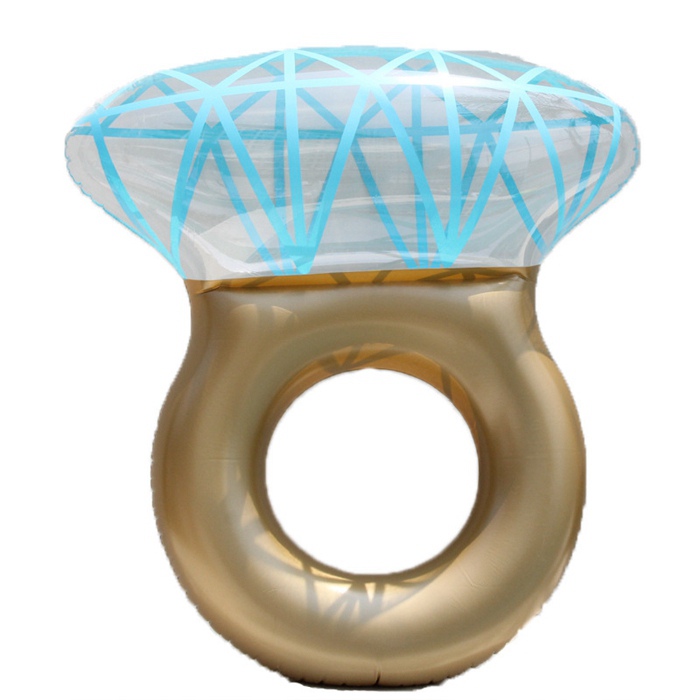
A swimming ring is an inflatable, circular device designed to help people float on water. It consists of a hollow ring filled with air that provides buoyancy, keeping the user above the water surface. Typically made from polyvinyl chloride (PVC) or other durable materials, swimming rings are lightweight, portable, and easy to use.
The concept is simple: when inflated, the trapped air inside the ring increases the overall volume without adding weight, displacing water and allowing the body to stay afloat. This makes it ideal for both children and adults who want to relax or practice swimming safely.
Over the years, swimming rings have evolved from basic safety aids into stylish recreational accessories available in various colors, shapes, and patterns — from traditional blue-and-white rings to creative designs like donuts, animals, and fruits.
Swimming rings serve multiple purposes beyond just keeping the user afloat. They combine safety, entertainment, and training functions, which makes them a favorite among swimmers of all skill levels.
For beginners and children, a swimming ring provides buoyancy and confidence in the water. It helps them stay balanced and reduces the fear of sinking, allowing them to learn swimming techniques gradually and safely.
Many people use swimming rings for leisure and relaxation. Floating comfortably on the surface allows users to enjoy the sun, read, or simply drift in calm waters — making it a staple at resorts and pool parties.
Swimming rings can also assist in aquatic workouts. They offer balance and stability for exercises like leg kicks or water jogging, making workouts low-impact and joint-friendly.
With designs ranging from cute cartoon characters for kids to colorful, oversized rings for adults, these inflatables bring joy to family vacations and gatherings. Some even include handles or cup holders for added convenience.
The quality and performance of a swimming ring depend largely on its materials and manufacturing process. Our products are designed using eco-friendly, thickened PVC material that ensures long-term durability and comfort.
Non-toxic and Odorless: Safe for all ages, even for sensitive skin.
High-Strength PVC: Resistant to tears, punctures, and UV rays.
Smooth Welded Edges: Comfortable against the skin to prevent scratches or irritation.
Double Inflation Valves: Prevents air leakage for secure, prolonged use.
Bright Colors and Glossy Finish: Enhances visibility and aesthetic appeal in the water.
Some swimming rings are also coated with anti-UV protection, preventing fading or weakening when exposed to sunlight for long hours.
There are many types of swimming rings, each designed for specific age groups, environments, and activities. Choosing the right one depends on the user’s needs and water conditions.
This is the most common type, consisting of a simple circular tube. It’s ideal for beginners, children, and general floating activities in pools or shallow waters.
Designed with extra safety features such as double air chambers, seat support, and leg holes, these rings allow babies to enjoy the water safely under supervision.
Also called armbands or water wings, these are smaller inflatable rings worn around the upper arms to support children learning to swim.
For adults and families, oversized rings provide enough space to lie back comfortably. Some come in creative shapes — like donuts, flamingos, unicorns, or watermelons — making them perfect for pool parties or beach relaxation.
Used in swimming lessons and aquatic exercises, these are typically smaller and more durable, designed to help swimmers develop balance and coordination.
These larger rings accommodate two or more users, promoting fun group activities and shared floating experiences.
Each design caters to different needs, from child safety to adult relaxation, ensuring versatility for every water activity.
While swimming rings are easy to use, safety should always be the top priority. Follow these steps to ensure a safe and enjoyable experience.
Before use, inflate the ring using an air pump or manual blowing. Avoid overinflating, as this can stress the seams and shorten its lifespan. Make sure the air valve is tightly sealed to prevent leaks.
Always inspect the ring before entering the water. Look for punctures, weak seams, or valve issues. Even small leaks can affect buoyancy.
Place the ring on the water surface, hold onto the edges, and gently lower your body into the center. Maintain balance while adjusting your posture.
Children should never use swimming rings unsupervised. Even though they float, waves or sudden movements can overturn them. Always keep an adult within arm’s reach.
Jumping, pushing, or flipping the ring in deep water can cause accidents. Use the ring responsibly to prevent injury.
Swimming rings are meant for pools, calm lakes, or shallow beach areas. Avoid deep or open waters where currents and waves may pull the user away.
After use, rinse the ring with clean water, deflate it, and dry thoroughly before folding. Store it in a cool, shaded place to prevent sun or heat damage.
Taking proper care of your swimming ring extends its lifespan and ensures safety during every use. Here are some essential maintenance tips:
Clean After Each Use: Rinse with fresh water to remove chlorine, salt, or sand. Avoid harsh detergents.
Dry Completely: Moisture can lead to mold or odor buildup. Wipe and air dry before storing.
Avoid Sharp Objects: Keep away from rocks, pool edges, and other sharp surfaces.
Store Away from Heat: High temperatures can cause PVC to deform or weaken.
Check Valves Regularly: Make sure valves close tightly to prevent slow leaks.
Patch Small Holes Promptly: Use a PVC repair kit to seal punctures immediately.
Proper care ensures your swimming ring remains in top condition for many seasons of fun and relaxation.
When selecting a swimming ring, consider the following factors to ensure safety, comfort, and style:
Size and Weight Capacity: Match the ring’s diameter and buoyancy with the user’s age and weight.
Material Thickness: Look for thick PVC (0.25–0.35mm) for durability.
Safety Features: Choose rings with double air chambers, grab handles, or safety valves for added security.
Design and Comfort: Smooth seams, ergonomic shapes, and vibrant designs enhance the user experience.
Portability: Inflatable models are lightweight and easy to carry for travel or outdoor trips.
Environment: Consider whether the ring will be used in pools, beaches, or lakes, as some materials are better suited for saltwater or sunlight exposure.
By choosing the right design and quality, you can enjoy both fun and safety in the water.
Swimming rings are not just safety tools — they can turn any water activity into a memorable experience. Here are a few fun ideas:
Pool Games: Organize ring races or relay games for kids and adults.
Photo Opportunities: Use colorful or themed designs for unique vacation photos.
Relaxation Floats: Enjoy the sun with a drink holder or pillow attachment.
Family Bonding: Use multiple rings for safe, shared fun with children.
Aqua Fitness: Practice leg exercises or floating yoga with a stable, wide ring.
With creativity and care, your swimming ring can be both practical and playful.
A swimming ring is much more than an inflatable toy — it’s a symbol of joy, safety, and comfort in the water. From helping beginners gain confidence to providing adults a way to relax and unwind, swimming rings have become an essential accessory for every water lover.
Our high-quality, eco-friendly swimming rings are built for safety, durability, and fun, suitable for pools, beaches, and lakes alike. By following proper use and care guidelines, you can enjoy countless hours of floating freedom and peace of mind.
Whether it’s a family vacation, a pool party, or a simple afternoon swim, a well-designed swimming ring ensures that every moment in the water is safe, comfortable, and filled with happiness.
Previous: Can You Put Chlorine in An Inflatable Pool?
Next: How To Make An Ice Tub?
 Mobile Phone:
 Phone:
 Contact Now
 Youtube