
An Ice Tub is one of the most effective and refreshing tools for recovery, relaxation, and muscle rejuvenation. Whether you are an athlete looking to reduce inflammation after intense training or simply someone seeking a natural way to relieve fatigue, an ice tub offers incredible benefits. Making your own ice tub is easier than you might think — and with modern materials and designs, it can be both portable and durable.
Our product, the portable ice tub, is designed with these needs in mind. It allows users to enjoy professional-level cold therapy right at home or outdoors. In this article, we’ll explore what an ice tub is, how it works, the step-by-step process to make one, and tips to maintain it for long-term use.
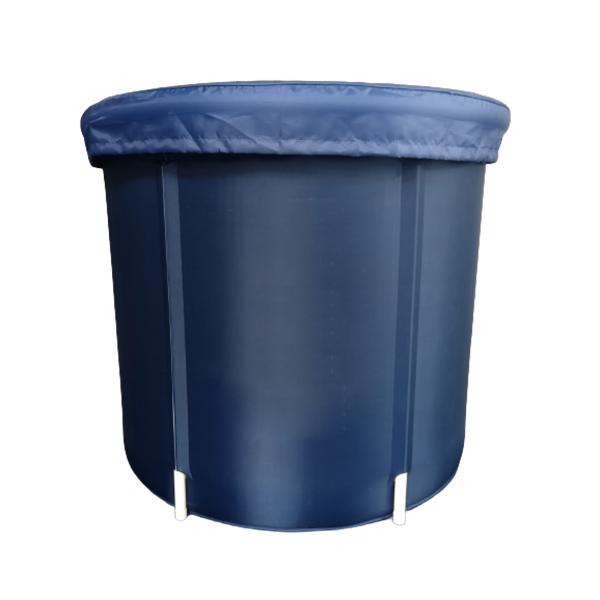
An ice tub, also known as a cold plunge or ice bath, is a large container filled with cold water and ice designed to submerge the body for therapeutic purposes. Traditionally used by athletes to relieve sore muscles, today it’s popular for general wellness, stress relief, and improving circulation.
Unlike traditional bathtubs, a purpose-built ice tub is deeper, more insulated, and easier to fill and drain. It’s often made from high-density plastic, PVC, or inflatable materials that can withstand cold temperatures without cracking. Some advanced designs also include lids, built-in temperature control, or insulation layers to keep the water cold longer.
An ice tub is not just a cooling device — it’s a method to restore energy, stimulate metabolism, and promote physical recovery naturally.
Before learning how to make or set up one, it’s helpful to understand why ice baths have become an essential recovery routine for athletes and wellness enthusiasts alike.
Cold water immersion constricts blood vessels and reduces swelling after physical exertion. When the body warms up afterward, blood flow increases again, flushing out waste and speeding recovery.
Alternating between cold and normal temperatures stimulates better circulation, improving oxygen and nutrient delivery throughout the body.
Immersing in cold water releases endorphins and adrenaline, helping to sharpen mental clarity and relieve stress. Many users describe feeling more alert and refreshed after an ice bath.
Cold exposure can help regulate the body’s immune response, improving resistance to illness and inflammation.
ice baths lower core body temperature and reduce stress hormones, creating a sense of calm that promotes deeper sleep.
These benefits make ice tubs valuable for athletes, outdoor enthusiasts, and anyone looking to recover naturally and efficiently.
Building or setting up an ice tub doesn’t require complex tools. Whether you’re creating a permanent setup or using a portable ice tub, preparation is straightforward. Here’s what you’ll need:
Tub or Container: Choose a durable, waterproof tub made from materials like PVC, plastic, or metal. Our portable inflatable ice tub is ideal for quick setup and storage.
Ice: Use large bags of ice or freeze water in containers to create solid blocks. The quantity depends on how cold you want the water.
Cold Water Supply: A hose or faucet with cold water to fill the tub quickly.
Insulated Cover: Helps retain cold temperatures between uses.
Thermometer: To monitor water temperature (ideal range: 10°C to 15°C / 50°F to 59°F).
Drain Valve or Hose: For easy emptying and cleaning.
Optional Add-ons: Portable chiller, salt for lower freezing point, or water filter for frequent use.
If you’re using a commercial ice tub product, most of these features are already integrated into the design.
Creating an ice tub setup is simple and can be done in less than 20 minutes. Follow the steps below for optimal results.
Start by selecting a container that fits your size and usage needs. A depth of 70–80cm is ideal for full-body immersion up to the shoulders. If you prefer portability, choose an inflatable ice tub with durable PVC material and a reinforced rim, like our model designed for both indoor and outdoor use.
Ensure the tub has a smooth interior surface, strong structure, and stable base to support the water weight safely.
Position the ice tub on a flat, stable surface — preferably outdoors, on a balcony, or in a bathroom with drainage. Avoid areas exposed to direct sunlight, as heat reduces cooling efficiency.
For outdoor setups, placing the tub under shade or using a cover helps maintain temperature longer.
Use a hose or bucket to fill the tub about halfway with cold water. The exact amount depends on your size and the depth you want. For best results, the water should cover most of your body when sitting inside.
If your tap water is already cold (below 15°C), you may need less ice. Otherwise, plan to add 15–30kg (30–60 lbs) of ice to reach the target temperature.
Slowly pour the ice into the water, stirring occasionally for even cooling. Measure the temperature with a thermometer — the goal is between 10°C and 15°C (50°F–59°F) for general recovery, or as low as 5°C (41°F) for advanced users.
Avoid overcooling the water on your first try; starting too cold can cause discomfort or shock.
Before entering the tub, wear comfortable swimwear and have a towel nearby. Sit down slowly, allowing your body to adjust gradually to the temperature. For beginners, 1–3 minutes of immersion is sufficient. With regular practice, you can increase to 5–10 minutes as your body adapts.
Focus on steady breathing — this helps control shock and enhances the relaxation benefits of cold exposure.
After finishing, open the drain valve or use a hose to empty the water. Rinse the tub with mild soap or vinegar to remove any residue, then dry it completely before covering or folding it for storage.
Keeping the tub clean prevents bacteria buildup and prolongs the material’s lifespan.
To make your ice tub experience safer and more effective, consider the following tips:
Start Slowly: If you’re new to cold immersion, begin with shorter durations and slightly warmer temperatures.
Use Ice Blocks: Larger blocks melt slower, keeping the water cold for longer periods.
Add Epsom Salt: This can enhance muscle recovery and improve the cooling effect.
Stay Hydrated: Cold immersion can stimulate metabolism and circulation, so drink water afterward to stay balanced.
Combine with Contrast Therapy: Alternate between cold and warm showers for an even stronger recovery boost.
Monitor Temperature: Avoid going below 5°C (41°F) unless you have prior experience or supervision.
Use a Lid or Cover: When not in use, keep the tub covered to maintain cleanliness and temperature.
These practices help you enjoy the full benefits of an ice bath safely and comfortably.
Proper maintenance ensures your ice tub remains hygienic, durable, and ready for daily use. Follow these care recommendations:
Clean Weekly: Use mild detergent and a soft sponge to clean the interior. Avoid abrasive tools that can damage the surface.
Rinse After Each Use: Always empty and rinse the tub after use to remove residue, sweat, or minerals.
Dry Thoroughly: Prevent mold by wiping the tub dry before covering or deflating.
Check for Leaks: Regularly inspect seams or joints, especially if it’s an inflatable model.
Store Properly: When not in use, fold and store the tub in a cool, dry area away from direct sunlight or sharp objects.
Replace Filters (if applicable): If your model includes a water filter or cooling system, follow manufacturer instructions for maintenance.
Following these steps keeps your ice tub performing at its best and ensures hygienic, safe use every time.
Our portable ice tub offers the same benefits as a permanent cold plunge setup but with added convenience. Here’s why it’s ideal for home and outdoor users:
Lightweight and Foldable: Easy to transport and store, perfect for apartments, gyms, or travel.
Quick Installation: Sets up in minutes without tools.
Durable Material: Made from high-quality PVC or TPU with reinforced seams to resist punctures and temperature fluctuations.
Excellent Insulation: Multi-layer walls and covers help retain cold temperatures for longer sessions.
Comfortable Depth: Designed to fit users of various heights while maintaining optimal immersion depth.
Affordable Alternative: Delivers professional cold therapy benefits without the high cost of electric chillers or fixed installations.
Whether you’re using it post-workout or as part of a wellness routine, the portable ice tub provides a reliable and efficient way to enjoy cold water therapy anytime, anywhere.
When your body is exposed to cold water, several physiological reactions occur:
Vasoconstriction: Blood vessels narrow, reducing inflammation and tissue damage.
Endorphin Release: The body releases natural “feel-good” hormones, improving mood and reducing pain.
Thermogenesis: The body generates heat to maintain temperature, boosting metabolism.
Improved Lymphatic Flow: Cold exposure stimulates lymph circulation, aiding detoxification.
Regular cold immersion helps train the body to handle stress more efficiently — physically and mentally.
While ice baths are generally safe for healthy individuals, it’s important to take precautions:
Consult your doctor if you have heart conditions, diabetes, or circulation disorders.
Never stay in the tub for more than 15 minutes at a time.
Avoid using the ice tub alone — it’s best to have someone nearby if you’re new to cold therapy.
Warm up afterward using a towel, robe, or gentle stretching.
With proper care and awareness, ice bathing is both safe and deeply beneficial.
Making an ice tub is simple, practical, and rewarding. Whether you build one from scratch or use a portable ice tub, this recovery method brings countless benefits for body and mind. By combining the right materials, proper setup, and consistent maintenance, you can transform your home into a personal cold therapy station.
Our portable ice tubs are designed for durability, comfort, and efficiency — ideal for athletes, fitness lovers, and anyone who values wellness. Once you experience the revitalizing power of an ice bath, it becomes more than a recovery tool — it becomes part of a healthy lifestyle that promotes strength, balance, and mental clarity.
Previous: What Is A Swimming Ring?
 Mobile Phone:
 Phone:
 Contact Now
 Youtube