
Many buyers ask a simple question at the start: can hot tubs have cold water? Technically, yes, some hot tubs can be filled with cold water. But that does not mean they are the right choice for cold immersion, sports recovery, or commercial cold therapy use. A hot tub is usually designed around heating, soaking comfort, and long-session relaxation. Cold water use is a different demand. It needs easier drainage, better portability, simpler setup, and a structure that works well for repeated cooling sessions.
That is why more buyers are no longer treating hot tubs and cold plunge products as the same category. For distributors, private label brands, gym suppliers, and wellness product importers, this is an important distinction. A product made for hot soaking is not always practical for recovery-focused cold water applications. When the end use changes, the sourcing logic changes too.
A hot tub can hold cold water, but that alone is not enough to make it suitable for cold plunge use. In many markets, hot tubs are purchased for home leisure, spa comfort, or outdoor entertainment. They are often heavier, more fixed in use, and built around a heating system. Cold immersion use is different. It is more about post-workout recovery, muscle relaxation, circulation support, and fast daily routine use.
That difference matters for buyers. If a retailer or project buyer treats both products as interchangeable, it can lead to the wrong inventory decision. A customer who wants fast setup, easy storage, and direct cold therapy may not want the cost, space requirement, or installation complexity of a traditional hot tub. This is where a dedicated Cold Water Plunge Tub makes more commercial sense.
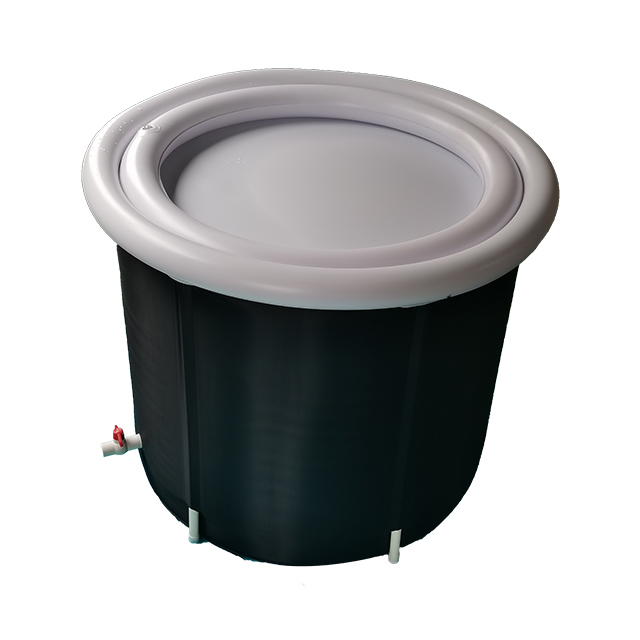
Our product fits that demand more directly. It is designed for cold water immersion and sports recovery, with a portable structure that supports home therapy, training recovery, and flexible daily use. Compared with a typical hot tub setup, this type of product is easier to move, easier to store, and easier to position for practical recovery scenarios.
When people search can hot tubs have cold water, many of them are not only asking about temperature. They are also asking whether they need a hot tub at all. This is especially relevant in today’s market, where recovery products, home wellness solutions, and compact fitness-related equipment are seeing stronger interest.
For B-end buyers, this keyword reveals a useful market signal. The customer is comparing categories. They are thinking about cost, ease of use, and whether a simpler product can do the job better. That is why cold plunge products are gaining more attention from wholesalers, e-commerce sellers, and OEM buyers. They answer a more focused need without forcing the user to buy a larger and more complicated system.
In practical sourcing, this means the better question is not whether hot tubs can hold cold water. The better question is whether the buyer should source a product built specifically for cold immersion in the first place.
A Cold Water Plunge Tub is made for a specific purpose. It is not trying to be a heated spa product. It is designed around direct immersion, recovery convenience, and easier handling. For many buyers, this improves both product clarity and marketability.
Our product is built with a multi-layer structure that supports insulation, stability, and user comfort. It is also foldable and portable, which makes it easier for home users, athletes, personal trainers, and wellness operators to carry, set up, drain, and store after use. That makes it much more practical than a standard hot tub when cold immersion is the real goal.
This also creates value on the commercial side. A dedicated cold plunge product is easier to explain in marketing, easier to sell into sports recovery and wellness channels, and easier to customize for different regions and customer groups. For importers and brand owners, that clearer positioning often matters more than trying to sell a general-purpose tub into a specialized use case.
For distributors and wholesalers, product confusion is expensive. If the category message is unclear, sell-through slows down. If the product does not match the end user expectation, returns and complaints increase. This is why positioning matters so much in the wellness and recovery segment.
A hot tub with cold water may sound acceptable in theory, but it often creates a weaker product story. A buyer looking for recovery equipment usually wants a solution that feels purpose-built. Gyms, rehab centers, sports clubs, and online wellness sellers often prefer products that are easier to explain and faster to adopt. A Cold Water Plunge Tub gives them that advantage.
This is especially important for buyers building a category range. If the goal is to expand into home recovery, portable wellness, or training support products, a focused plunge tub can be easier to integrate into that strategy than a heavier hot tub style product. It supports clearer pricing, clearer use cases, and better long-term repeat order potential.
Cold plunge products are not only about function. They are also about brand presentation, packaging, and market fit. That is why OEM and ODM support matters. Some buyers want a stronger sports recovery image. Some want cleaner home wellness positioning. Some need their own logo, packaging style, or color direction for retail and online sales.
Our product supports this type of cooperation with customization options that are useful for serious buyers. That matters because many importers do not want to compete with the exact same item already available everywhere. They want their own look, their own packaging logic, and a product line that feels more tailored to their market.
For private label buyers, this is one of the most practical advantages of working directly with a supplier. Instead of only purchasing a standard item, they can develop a better commercial identity. That is useful for e-commerce sellers, sporting goods importers, recovery equipment distributors, and wellness solution providers who want a stronger product story and a more defensible margin.
In this category, buyers often worry less about whether the product looks good and more about whether it will perform consistently after delivery. Common sourcing concerns include material strength, temperature retention, drainage convenience, portability, packaging reliability, and whether the product will arrive in a condition ready for retail or wholesale distribution.
These concerns are reasonable. A Cold Plunge Tub that feels unstable, drains poorly, or takes too much effort to manage will create friction for the end customer. For distributors, that means higher service cost. For online sellers, that can mean weaker reviews. For project and studio buyers, that can affect the customer experience and repeat business.
That is why supplier capability matters as much as the item itself. Buyers need a partner that understands product details, bulk order communication, packaging needs, and customization steps. In a competitive market, consistent execution is often what separates a repeat supplier from a one-time transaction.
Portable cold plunge products fit today’s buying habits better than many fixed-use wellness products. End users want something practical, easier to store, and easier to use without permanent installation. Retailers want products that ship efficiently and sell clearly. Importers want categories with visible demand, repeat seasonal interest, and room for branding.
This is where portable plunge tubs have strong appeal. They bring recovery and cold immersion into a more accessible format. Instead of needing a dedicated spa space, the user can place the tub in a home setting, training room, studio, or temporary event environment. That flexibility expands the number of possible sales channels.
For B-end buyers, this broader application range is a real advantage. It opens opportunities in sports recovery, home wellness, fitness accessories, rehabilitation support, and selected event-based use. A product with wider use potential often delivers better long-term sourcing value than one tied to a narrow luxury category.
So, can hot tubs have cold water? Yes, they can. But in real sourcing and real use, that is not the same as choosing the right product for cold immersion. When the goal is recovery, wellness, portability, and easier day-to-day use, a purpose-built Cold Water Plunge Tub is often the better answer.
For importers, distributors, and private label buyers, this is not just about temperature. It is about choosing a product category that is easier to position, easier to customize, and easier to sell into today’s wellness market. Our Portable Cold Plunge Tub is designed for that practical demand, with a structure that supports recovery use and customization options that fit OEM and ODM cooperation.
If you are planning a new product line, comparing supplier options, or preparing a bulk order, feel free to contact us. We can help you review specifications, customization details, and packaging solutions so you can choose a plunge tub program that fits your market more clearly and efficiently.
Previous:
 Mobile Phone:
 Phone:
 Contact Now
 Youtube