
Keeping an Inflatable Pool clean is not difficult, but it does require consistency. Many people think a small paddling pool only needs fresh water now and then, yet dirt, sunscreen, grass, dust, and body oils can build up much faster than expected. Once that happens, the water starts to look dull, the pool surface becomes slippery, and the whole experience feels less pleasant.
A clean inflatable pool is not only about appearance. It also helps children enjoy safer and more comfortable water play. For a portable paddling pool, regular care matters even more because the water volume is smaller and changes condition quickly. The good news is that with a few simple habits, it is possible to keep the pool cleaner for longer and make daily use much easier.
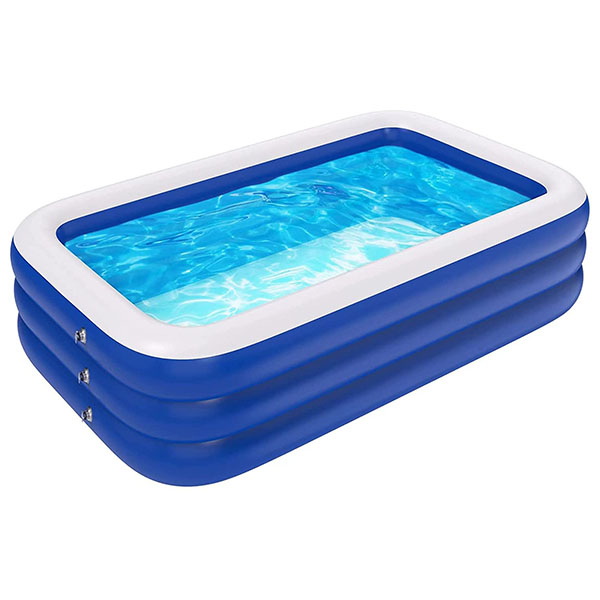
The condition of the pool often depends on where it is placed. If the pool sits directly on dusty ground, near loose soil, or under falling leaves, dirt will enter the water much faster. A cleaner setup area makes everything easier from the beginning.
It helps to place the inflatable pool on a flat and tidy surface before filling it. This reduces the amount of outside dirt entering the water and also protects the base from rough ground. For families using a portable paddling pool in a backyard, choosing a cleaner corner of the yard usually makes a visible difference. A safer setup also supports the pool structure, especially when the product uses soft inflatable walls and a child-friendly design.
One common mistake is waiting until the water looks obviously dirty before changing it. In a small inflatable pool, water condition can shift quickly, especially in warm weather. By the time the water looks cloudy, the pool usually already needs a full rinse.
For children’s paddling pools, regular water changes are often the simplest and most effective cleaning method. Since these pools are designed for easy setup and portability, draining and refilling them is usually more practical than trying to keep the same water for too long. This is especially true in family use, where the pool is often used for short play sessions rather than full-day swimming.
Fresh water keeps the pool more inviting and helps reduce the buildup of residue on the inner walls.
Even if the water still looks acceptable, the inner surface of the pool should not be ignored. Small inflatable pools collect sunscreen, sweat, dust, and fine dirt that settle on the bottom and sides. If the pool is left like that day after day, the surface can begin to feel slippery.
A quick rinse after use helps prevent that buildup. This habit is simple, but it keeps the pool fresher and easier to manage over time. It also matters for inflatable pools made from durable PVC, because regular mild cleaning helps preserve the material better than leaving dirt and residue in place for too long.
This kind of basic care is especially useful for inflatable pools used by children, where cleanliness affects both comfort and everyday use.
When deeper cleaning is needed, mild soap and water are usually enough. Strong cleaning chemicals may seem effective, but they can be too harsh for inflatable pool material. A gentler cleaning routine is often better for keeping the surface in good condition.
This is important because inflatable paddling pools are designed to be soft, portable, and easy to handle. Their material needs care that removes dirt without creating unnecessary wear. A mild wash helps clean the inside surface while protecting the structure and color of the pool.
After cleaning, the pool should always be rinsed well so no soap residue remains before the next use.
The easiest way to keep an inflatable pool clean is to reduce how much dirt gets in at all. In daily use, most contamination comes from feet, grass, sand, clothing, or objects brought into the water. A small change in routine can improve pool cleanliness much more than people expect.
It helps if children rinse their feet before entering, especially after playing on grass or soil. Toys placed in the pool should also be reasonably clean. If the pool is being used at a beach, park, or outdoor event, keeping the surrounding area organized becomes even more important.
A portable pool is designed for convenience, but convenience works best when the water is protected from unnecessary dirt from the start.
Sunlight and outdoor exposure affect more than just the water temperature. If the pool is left in direct sun all day, the material may age faster over time, and open water also collects more dust, leaves, and flying debris. This makes regular cleaning harder than it needs to be.
When possible, it helps to place the pool in a partly shaded area or cover it when not in use. This does not need to be complicated. Even simple protection can help reduce dirt and keep the pool fresher between play sessions.
This matters even more for inflatable pools used frequently in summer, where outdoor exposure is constant and long-term material care becomes part of normal maintenance.
A clean inflatable pool is also easier to inspect. When the surface is washed regularly, it becomes easier to notice small holes, seam stress, or early wear before the problem grows. This is useful because small repairs are much easier than major damage later.
For durable PVC paddling pools, regular inspection supports both cleanliness and service life. If a tiny puncture or tear appears, fixing it early helps keep the pool usable and prevents larger problems during future use. Good maintenance is not only about washing the pool. It is also about keeping the whole product in sound condition.
This is especially important for portable pools that are packed, moved, and reused in different places.
One of the most overlooked steps is drying the pool properly before putting it away. If the pool is folded while still damp, moisture can stay trapped inside and create an unpleasant smell or mold risk later. That makes the next use less enjoyable and adds more cleaning work than necessary.
After draining and washing, the pool should be allowed to dry fully before storage. This is a simple step, but it has a big effect on long-term cleanliness. A dry pool is easier to store, smells better when opened again, and stays in better condition between seasons.
For a compact inflatable paddling pool, proper storage is part of keeping the product convenient and ready for future use.
Not every inflatable pool is used the same way. A small family pool used at home may need one kind of routine, while a pool used in daycare, resorts, or community events may need more frequent cleaning because it sees heavier use. The cleaning habit should match the usage pattern.
A portable inflatable swimming pool made for children is often chosen because it is easy to inflate, easy to store, and practical for different locations. Those same features also support easier maintenance. When the pool is cleaned in a way that fits its actual use, it stays more attractive, more hygienic, and easier to manage over time.
Good maintenance should feel realistic. The best cleaning routine is one that people will actually keep following.
Keeping an inflatable pool clean is mainly about routine. A clean setup area, regular water changes, quick rinsing after use, mild soap cleaning, early damage checks, and proper drying before storage all help the pool stay fresher and more enjoyable. Small pools get dirty faster than people expect, so simple and regular care is usually more effective than waiting until the pool looks obviously dirty.
A well-maintained inflatable paddling pool not only looks better, but also feels more comfortable and lasts longer in daily use. If you are choosing inflatable pools for family use, daycare, retail, or project supply and want help with size, material, packaging, or customization options, feel free to contact us. We can help you find a more suitable inflatable pool solution for your needs.
 Mobile Phone:
 Phone:
 Contact Now
 Youtube