
An Inflatable Pool should stay firm for hours, and in many cases for days, without needing constant top-ups. When a pool keeps losing air, the cause is usually one of three things: air pressure changes from temperature, a valve that is not fully sealed, or a slow leak at a seam or puncture point. The good news is that most deflation issues can be prevented with correct setup, smarter inflation habits, and simple maintenance.
NEW designs and manufactures inflatable pools for consistent sealing and reliable everyday use. If you are choosing a pool for home use, rentals, promotions, or seasonal retail programs, explore the NEW Inflatable Pool range and match the structure to your usage conditions.
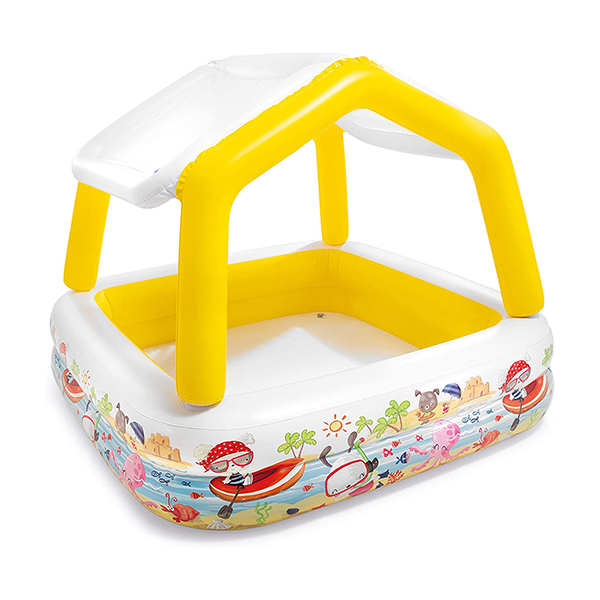
Before troubleshooting, it helps to know what is normal. inflatable pools expand and contract as temperatures change, because the air inside reacts to heat and cold.
In direct sun, air expands and the pool feels tighter
In cooler evenings or early mornings, air contracts and the pool feels softer
A pool that looks slightly less firm overnight can still be fully airtight
A practical test is to inflate the pool to the recommended firmness, keep it in the same location, and check it again after 6 to 8 hours. If it becomes noticeably soft during stable temperatures, the issue is usually valve sealing or leakage.
Overinflation is one of the easiest ways to create slow leaks. When the chamber is too tight, seam stress increases, and the valve area can deform slightly, allowing micro-leaks.
Use these rules when inflating:
Inflate in stages, especially for multi-ring pools
Inflate each chamber to about 70 percent, then circle back to reach the final firmness. This balances pressure across the structure.
Leave slight flexibility
The wall should feel firm but still compress slightly when pressed. If it feels drum-tight, release a small amount of air.
Avoid inflating in the hottest part of the day
If you inflate at noon in direct sunlight, the air will expand further, creating excess internal pressure later.
If you need a pool for long daily use, choosing a model with stable chamber design and reliable valve structure helps reduce the frequency of refilling. NEW inflatable pools are built for repeated inflation cycles and everyday family use within the product range on the Inflatable Pool page.
A slow deflation problem is often a valve issue rather than a puncture. Even a tiny gap can leak enough air to soften the pool over time.
Do this step-by-step:
Clean the valve area
Wipe away water, sand, sunscreen residue, or dust. Debris can prevent full sealing.
Reseat the cap and plug properly
Press the plug fully into place and ensure the cap threads or locking parts sit evenly.
Listen and feel for air movement
Put your cheek close to the valve or wet your fingers and feel for airflow.
Use a soap-water test around the valve
Apply a thin layer of soapy water around the valve edge and seams near the valve. Continuous bubbles indicate leakage.
If bubbles form at the valve edge, the fix is usually reseating, tightening, or replacing the valve insert if the design allows. For bulk orders or branded projects, NEW can support product selection and specification alignment so you use a valve structure suited to the expected user handling.
If the valve is not the issue, focus on seams and high-contact zones. Small punctures often occur where the pool touches textured ground, edges, or sharp objects.
A reliable leak-finding routine:
Visual scan in strong light
Look for scuffs, pinholes, or thin scratches, especially on the bottom panel.
Soap-water scan along seams
Inflate the pool and brush soapy water along seams and corners. Bubbles reveal air escape points.
Water immersion test for small parts
If your pool has removable inflatable components, submerge sections in water and watch for bubbles.
Mark the spot immediately
Once found, dry it completely and mark the area so you do not lose it during repair.
Micro-leaks are easier to fix when identified early. Continuing to use a slowly leaking pool can widen the leak area due to repeated pressure changes.
Most punctures come from what is under the pool, not what is inside it. A protective setup can dramatically reduce air loss issues.
Use a simple surface checklist:
Clear the ground of gravel, twigs, and sharp debris
Avoid placing the pool on textured concrete edges or rough decking
Add a protective layer under the pool
Use a ground cloth, foam mat, or smooth tarp that covers the entire base area
If you use inflatable pools in hospitality or commercial seasonal setups, surface preparation becomes a major factor in reducing service issues. Pools from the NEW Inflatable Pool range can be paired with practical use guidelines to reduce puncture risk.
Direct sunlight is not only a comfort issue; it changes internal air pressure and can increase material stress.
Ways to reduce deflation caused by pressure swings:
Place the pool where it receives partial shade during peak hours
If full shade is not possible, slightly reduce inflation level during extreme heat
Do not leave a fully inflated pool in intense sun all day when not in use
After heavy sun exposure, check firmness and release a small amount of air if the walls feel overly tight
This keeps the pool from cycling between overpressure and underpressure, which is a common reason seams and valve zones develop slow leaks.
A patch repair fails most often because the surface was not fully cleaned and dried, or because the patch did not cover enough area beyond the leak point.
A more reliable patch method:
Dry the area fully
Moisture prevents adhesive bonding and causes lifting later.
Clean with mild soap and water, then dry again
Avoid oily cleaners that leave residue.
Use a patch that extends beyond the leak
A larger patch distributes stress and reduces peeling.
Apply firm, even pressure
Press from the center outward to remove air pockets.
Allow full cure time before reinflation
Many adhesives need hours to bond securely. Re-inflating too soon can weaken the seal.
For retail and bulk programs, the ability to provide consistent material and stable welding helps reduce how often users need repairs, which supports better customer reviews and fewer complaints.
Most deflation complaints are preventable if the pool is checked regularly, especially during peak season.
A simple routine that works:
Before each use
Check the valve seal, the cap closure, and seam corners.
After each use
Drain water, wipe the pool surface, and remove sand and debris from valve areas.
Weekly during heavy use
Run a quick soap-water scan on the valve and high-stress seams.
Storage after season
Fully dry the pool, fold without sharp creases, and store away from heat and sharp objects.
This routine helps an inflatable pool maintain firmness longer and reduces the risk of slow leaks becoming larger failures.
| Symptom | Most likely cause | How to confirm | Practical fix |
|---|---|---|---|
| Pool softens overnight but firms up in sun | Temperature contraction | Compare morning vs afternoon firmness | Top up air in cooler hours, avoid overinflation |
| Pool loses air within hours | Valve not fully sealed | Soap-water bubbles around valve | Clean and reseat plug, tighten cap, recheck |
| One ring deflates faster than others | Leak on that chamber | Soap-water scan on that ring seam | Patch after full dry and cleaning |
| Pool feels tight in sun, soft later | Pressure swings stressing seams | Happens daily in hot weather | Inflate in cooler hours, keep partial shade |
| Repaired spot keeps leaking again | Patch bond failure | Patch edges lifting | Reclean, use larger patch, allow full cure |
Preventing deflation is not only about user behavior. The pool design, material consistency, and sealing quality determine how well the product holds air across repeated use. NEW focuses on inflatable pool manufacturing with stable sealing performance and scalable OEM and ODM capability for different product programs, from family pools to project-driven customization.
To select a model that matches your target market and usage conditions, start with the NEW Inflatable Pool product range and align size, chamber structure, and supply requirements in one sourcing step.
To keep an inflatable pool from deflating, start with correct inflation habits, confirm the valve is fully sealed, and protect the base from puncture sources. Temperature changes can make a perfectly airtight pool feel softer, so pressure management and placement matter. When a real leak exists, a controlled soap-water test finds it quickly, and a proper patch repair prevents repeat failure.
With the right setup and maintenance routine, an inflatable pool can stay firm, comfortable, and dependable throughout the season.
Previous:
 Mobile Phone:
 Phone:
 Contact Now
 Youtube