
Inflatable Pool toys look simple on the surface, but the material choice determines how long they stay airtight, how they feel against the skin, how well they hold color in sunlight, and how reliably they survive repeated inflation, deflation, and storage. If you are sourcing Inflatable Toys for retail, promotions, or seasonal programs, understanding the core material structure helps you set correct expectations for durability, safety, and cost.
NEW manufactures inflatable toys with eco-friendly PVC as the primary material, designed for stable sealing performance, consistent appearance, and scalable OEM and ODM production. You can view the full range on the NEW Inflatable Toys page.
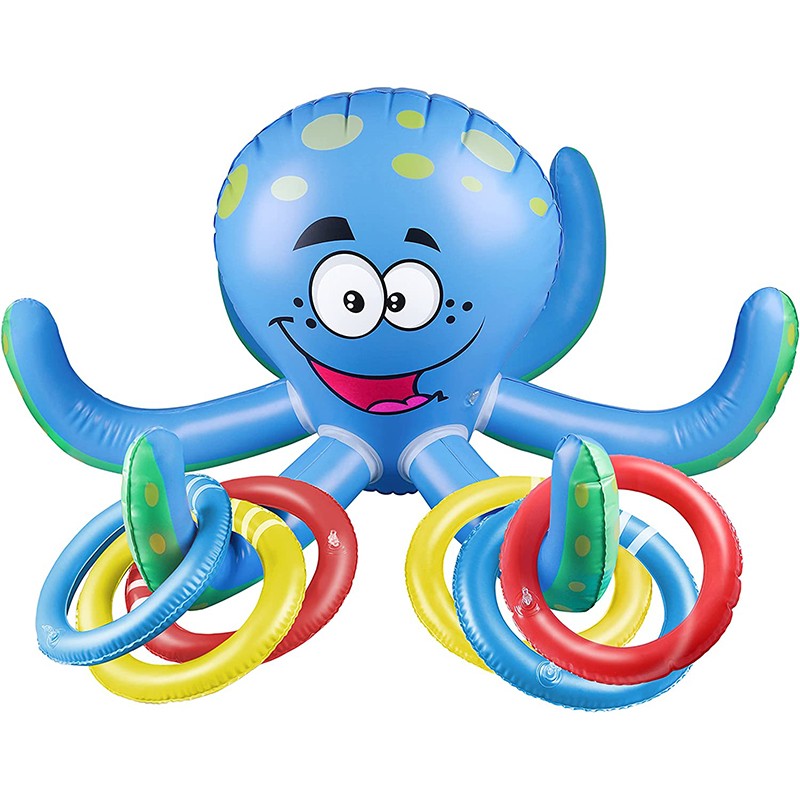
Most inflatable pool toys are made from PVC, which is widely used because it can be produced in multiple thickness ranges, accepts high-quality printing, and works well with heat sealing processes that create strong, airtight seams.
PVC is not a single-layer concept in real production. A pool float or inflatable toy typically includes:
PVC film body that forms the chambers holding air
Reinforced seam zones created by heat sealing or high-frequency welding
Valve components designed for repeated open-close cycles
Optional surface textures or coatings to improve grip or feel
For buyers, the key point is that PVC is selected not only for cost efficiency, but also because it supports mass production with consistent sealing and visual results.
Eco-friendly PVC usually refers to a material system designed to meet stricter chemical control expectations in international markets. For procurement teams, this matters because pool toys are often used by children and families, and they frequently stay in contact with skin, sunscreen, pool water, and cleaning agents.
Eco-friendly PVC is typically chosen to support:
Cleaner odor control for a better unboxing experience
Stable color output for branded designs and repeated production runs
Better consistency during welding, which helps reduce air leakage complaints
More predictable material behavior across different climates during shipping and storage
If your brand is building long-term SKUs, eco-friendly material selection reduces quality variability and helps protect customer experience.
Inflatable toys are made for different use scenarios, so thickness selection should match how the product will be used, handled, and stored. Thicker material generally improves puncture resistance and seam stability, while thinner material improves foldability and cost control.
When comparing options, focus on these practical impacts:
Airtight retention
Better film consistency and appropriate thickness reduce slow leaks over time, especially at chamber corners and seam transitions.
Puncture and abrasion tolerance
Toys used in pools often come into contact with rough decks, outdoor furniture, or sand. Material thickness and film toughness both matter.
Visual quality
Thicker, higher-quality films often look more solid and maintain shape better when inflated, which improves product presentation in photos and on shelves.
Packing efficiency
Thinner films can fold smaller, which may reduce carton volume for large orders, but the design must balance this against durability goals.
Even the best PVC film will not perform well if seam welding is inconsistent. inflatable pool toys fail most often at stress points: seams, valve zones, and corners where tension concentrates during inflation or when users sit or lean on the toy.
A reliable inflatable toy material system must work smoothly with production processes that control:
Welding temperature and pressure consistency
Alignment precision for multi-panel designs
Seam width and overlap stability
Valve bonding strength and positioning accuracy
For project buyers, this is why supplier capability matters as much as the base material itself. NEW supports OEM and ODM programs where material selection and production parameters are controlled together to improve batch-to-batch consistency.
| Material type | Common use in inflatable pool toys | Key advantages | Key limitations | Best for |
|---|---|---|---|---|
| Eco-friendly PVC | Mainstream choice for floats and toys | Strong printing, stable welding, scalable production, good airtight performance | Not puncture-proof, needs correct storage and cleaning | Retail SKUs, promotions, seasonal programs |
| Standard PVC | Entry-level options | Lower cost, widely available | Higher variability risk in odor, softness, and seam stability | Low-cost short lifecycle programs |
| TPU | Premium inflatables | Softer feel, strong tear resistance | Higher cost, different production requirements | Premium positioning, higher price points |
| Rubber blends | Less common today | Elastic feel | Limited printing and mass production stability for complex designs | Niche specialty products |
This table is useful for clarifying expectations with customers. In most mass-market pool toy programs, eco-friendly PVC remains the most practical balance of visual output, manufacturing scale, and cost control.
If you are evaluating suppliers or comparing samples, focus on indicators that reflect real material and process quality rather than surface appearance alone.
Seam consistency under pressure
Inflate to the recommended level and check seam lines for uniform width and clean bonding without waviness.
Valve stability
Open and close the valve repeatedly. A good valve zone stays tight and does not loosen or deform.
Surface feel and odor control
Strong odor can trigger returns, especially for family products. Eco-friendly material systems aim for a cleaner first impression.
Printing adhesion
Rub the printed area with a damp cloth after full curing time. Good printing stays stable without easy fading or transfer.
Fold memory after storage
After deflation and folding, the material should not develop sharp crease cracks, which can become future leakage points.
Inflatable pool toys are often purchased in bulk with time-sensitive delivery schedules. Buyers need stable manufacturing, clear material selection, and predictable output across repeated orders.
NEW supports inflatable toy programs with:
Eco-friendly PVC material selection for mainstream pool toy demand
OEM and ODM capability for custom shapes, colors, and branding needs
Product development support for promotional and retail projects that require consistency in sampling and mass production
If you are comparing material options or planning a new inflatable pool toy line, start with NEW Inflatable Toys to review product types and discuss the right material and structure for your target market.
Inflatable pool toys are most commonly made from PVC, and eco-friendly PVC is a widely used choice when buyers want better material consistency, cleaner user experience, and reliable production scalability. The true performance of an inflatable toy depends on both the material film and how well it supports stable welding and valve bonding.
Choosing a supplier that controls material selection and production execution together helps reduce leakage risk, returns, and inconsistent batches, which is exactly what bulk buyers and project procurement teams care about most.
 Mobile Phone:
 Phone:
 Contact Now
 Youtube