
A small hole does not always mean an inflatable toy is finished. Most leaks come from pinholes, seam edges, or valve areas that can be repaired if you locate the leak accurately and use the right patch method for the material. The key is to treat it like an airtight system. You need to find the exact leak point, prepare the surface correctly, apply a compatible patch and adhesive, and allow enough curing time before reinflation. When these steps are rushed, the repair may look fine but still lose air slowly, especially after the toy flexes in water or under body pressure.
This guide explains reliable repair methods for common Inflatable Toys and helps you choose the right approach based on hole size, location, and usage conditions. It is written around inflatable toy users and bulk buyers who source from NEW, with product reference to Inflatable Toys.
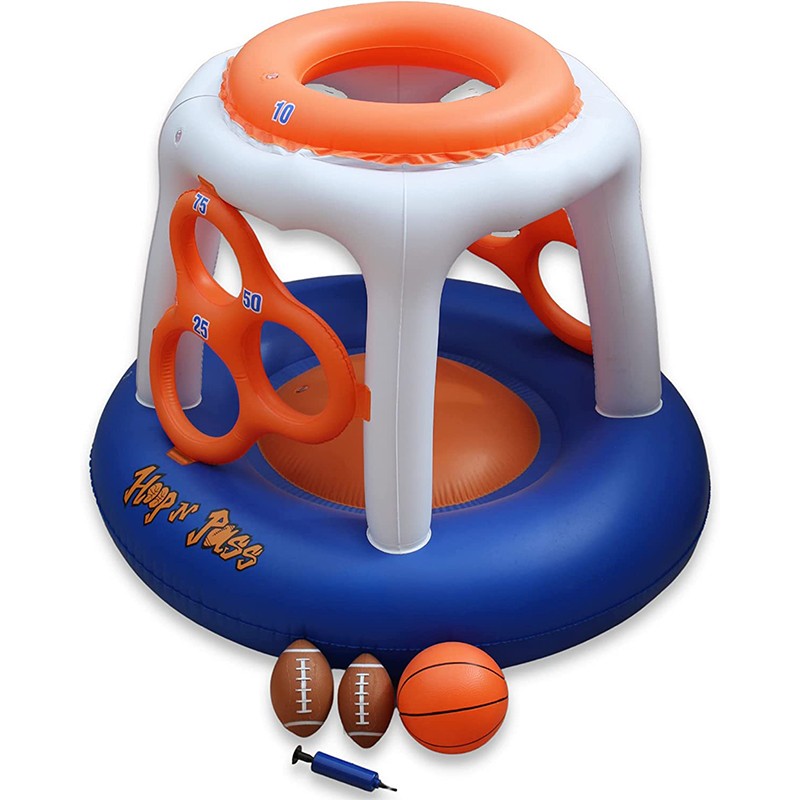
Inflatable toys usually leak for three reasons. Each cause points to a different repair strategy.
Puncture holes caused by sharp objects
These are the easiest to repair because the damage is localized. A patch can seal the hole if the surrounding material is still strong and clean.
Small cracks from folding stress or aging
These often occur along repeated crease lines or near reinforced areas where the material flexes. They require larger patches and better surface preparation because the crack may extend when reinflated.
Seepage near seams or valves
Seams and valves are high-stress areas. Repairs need careful cleaning and full bonding around the edge because small gaps can reopen when the toy is squeezed or moved.
Understanding the cause helps you choose the correct patch size and adhesive handling so the repair holds for real use, not only for the first inflation.
A basic repair can be done at home, but professional-level results depend on surface preparation and controlled bonding.
Mild soap and water for cleaning
Soft cloth and dry towel for full drying
Marker or tape to mark the leak point
Spray bottle with soapy water for leak detection
Fine sandpaper or a scuff pad for light surface roughening when appropriate
Patch material compatible with the inflatable surface
Adhesive suitable for inflatable vinyl or the toy material
Roller or a firm flat object for pressing the patch evenly
Clamp or weight for controlled pressure during curing
The best repair outcome depends on using a patch that bonds to the toy material without peeling when flexed.
Accurate leak location saves time and prevents unnecessary patching.
Inflate the toy to a normal pressure level
Do not overinflate because that can enlarge a weak spot and make repair harder.
Listen and feel for escaping air
Move your hand slowly over the surface and seams. Small pinholes can be detected by the cool air stream.
Use soapy water for pinholes and seam leaks
Spray a light layer of soapy water over suspected areas. Bubbles that continue growing indicate the leak point.
Check common leak zones first
Focus on seam lines, welded corners, and the valve base. These zones often fail first during heavy use.
Once you see bubbles, mark the spot immediately. A small dot is enough. If the area is wet, use a small tape marker next to the leak point.
Surface preparation is the main reason repairs fail when people try to patch quickly.
Deflate the toy completely
A patch applied on a slightly inflated surface can shift when the toy deflates further, causing wrinkles and weak bonding.
Clean the area with mild soap and water
Sunscreen oils, pool chemicals, and dirt prevent adhesive from bonding. Clean a wide area around the leak, not only the hole itself.
Rinse thoroughly and dry completely
Any moisture trapped under the patch will weaken bonding. Drying should include the texture edges and seam grooves.
Lightly scuff if the surface is glossy and the material allows it
A gentle scuff improves adhesive grip. It must be light and controlled. Over-sanding can thin the material and create a new weak point.
A clean, dry, stable surface creates the foundation for an airtight bond.
Patch sizing matters. A patch that is too small may seal initially but peel under flex.
For pinholes, use a patch that extends well beyond the hole
The patch should cover a wide margin so that stress distributes over a larger bonded area.
For cracks, use a longer patch that covers the entire crack line plus extra margin
Cracks can extend when pressure returns. The patch must cover beyond both ends.
Round patch corners
Rounded corners peel less than sharp corners because they do not create a lift point when the toy flexes or rubs against water surfaces.
If the hole is close to a seam or handle area, the patch should extend into the stable surface zone to avoid bonding on a moving edge.
The bonding stage requires patience and controlled pressure.
Apply adhesive evenly
Spread a thin, uniform layer on the patch and on the prepared toy surface area if the adhesive method requires two-sided bonding. Uneven glue creates weak zones.
Allow proper tack time if required
Many adhesives need a short waiting period before bonding. This improves grip and reduces sliding.
Place the patch carefully and press outward
Press from the center outward to remove trapped air. Air pockets under the patch are common causes of slow leaks.
Apply firm, even pressure
Use a roller or a flat object to press the patch. Keep pressure consistent across edges.
Hold pressure during curing
Use a weight or clamp if the area is flat enough. Pressure improves bonding strength.
A reliable patch bond is one that has no lifted edges and no trapped bubbles.
Curing time is the step most people skip. Even if the patch looks attached, the adhesive may not be fully set. If you reinflate too early, the patch edges may lift slightly and create a slow leak.
Leave the toy flat in a dry place during curing. Avoid humidity and avoid bending the patched area. The repaired zone should stay relaxed and stable until the bond is fully developed.
Testing should confirm the repair holds at normal pressure and under mild flex.
Inflate to normal pressure and wait
Observe for pressure loss over time.
Use soapy water again around the patch edges
Bubbles indicate an edge leak, usually caused by insufficient pressure during bonding or incomplete drying.
Check flex behavior
Gently bend the toy in a similar way to real use. If the patch edge lifts, apply a larger patch rather than trying to glue the edge repeatedly.
A successful repair is stable not only when the toy is still, but also when it is handled and moved.
| Leak location | Typical cause | Best repair approach | Key risk to manage |
|---|---|---|---|
| Flat surface pinhole | Sharp object puncture | Round patch with wide margin | Edge peeling if patch is too small |
| Along crease line | Repeated folding stress | Larger patch covering full crease zone | Crack extension under pressure |
| Near seam edge | Stress concentration or seam wear | Patch that overlaps stable surface area | Bond failure due to movement near seam |
| Around valve base | Movement, residue, poor seating | Thorough cleaning and full flange-area patch | Slow leak if residue blocks adhesive |
This helps you select a repair method that matches where the stress occurs in real use.
A patch repair is not always the best choice. Replacement is usually safer when:
The material has widespread cracking or surface brittleness
Multiple seams show seepage or repeated leaks
The valve assembly is damaged structurally
The inflatable is used in demanding commercial scenarios where failure creates user risk
For bulk buyers, a stable manufacturing source matters because consistent material and welding reduce the overall repair rate during customer use.
For many buyers, repair guidance matters because it reduces returns and improves customer satisfaction. NEW is a professional inflatable manufacturer with internal design and engineering support and a structured quality system. OEM and ODM capability helps buyers match product design and material specifications to market needs, while quality control reduces common defect causes such as weak welds and unstable valve bonding.
You can view NEW’s product range here: Inflatable Toys.
To fix a hole in an inflatable toy, the most important steps are accurate leak detection, complete cleaning and drying, correct patch sizing with rounded corners, even adhesive bonding with firm pressure, and full curing before reinflation. Repairs that fail are usually caused by rushed surface preparation or early inflation, not by the patch itself.
For buyers who want consistent inflatable toy supply supported by design, engineering, and OEM and ODM capability, NEW provides a wide selection of Inflatable Toys designed for stable use and repeat production.
Previous: What Are Inflatable Pool Toys Made Of?
 Mobile Phone:
 Phone:
 Contact Now
 Youtube