
Making a pool floater is a manufacturing process that combines material selection, structural design, precision cutting, controlled heat sealing, and strict leak testing. A well-made floater must keep air pressure stable, maintain shape under body weight, resist surface wear from sun and pool chemicals, and remain comfortable for users during long floating sessions. Because floaters are inflatable products, the smallest issue in welding quality, valve installation, or material thickness consistency can lead to slow leaks, seam fatigue, or uneven inflation. That is why professional production capability and quality control matter as much as the design itself.
This article explains how pool floaters are typically made in an industrial setting and what determines product reliability from design to packaging. It is written around NEW’s manufacturing capability and OEM and ODM services, with examples referencing NEW’s product range of pool floats.
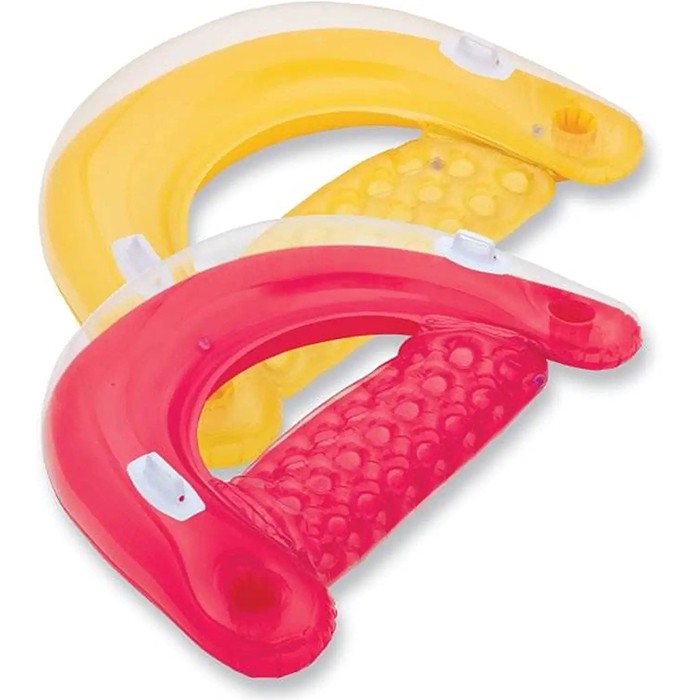
Most commercial pool floaters are made from flexible vinyl-based materials because they support airtight sealing and mass production. The material choice affects durability, surface feel, print performance, and how well seams hold under pressure changes.
Material thickness selection is based on the intended use and load. A heavy-duty lounger requires stronger puncture resistance and better seam strength than a small kids float. The goal is to keep the product stable without making it too stiff to fold and pack.
Surface treatment choice affects how the floater handles sunscreen oils, chlorine exposure, and cleaning. A stable surface helps reduce tackiness after repeated use and keeps printed colors clearer over time.
Color and printing compatibility matters for branding and promotional floaters. A material that accepts consistent printing reduces batch variation, which is important for retail lines and large promotional orders.
NEW is a professional manufacturer of inflatables and supports product development through design, engineering, and a structured quality system, which helps buyers keep material performance consistent across repeat orders.
A floater is not only a shape. It is a structure with air chambers, load points, and weld paths that must withstand repeated pressure cycles. The design phase determines whether the floater will feel stable, inflate evenly, and keep its shape.
Shape and chamber layout are planned based on how the floater will be used. A lounger design often needs a wide buoyant surface and stable side support, while a ring float requires balanced air distribution to prevent uneven tilt.
Weld line planning is critical because weld seams define the airtight structure. Seams must be placed where stress is distributed, not where repeated bending concentrates pressure.
Valve placement affects usability and manufacturing efficiency. If the valve sits too close to a high-bend area, it can experience fatigue and become a leak risk over time.
NEW supports OEM and ODM orders, allowing buyers to develop custom shapes, printed designs, and specification requirements for different markets and use scenarios. You can see product examples in NEW’s pool floats category.
Once the design and specifications are confirmed, production begins with cutting and preparation of material panels.
Pattern making converts the design into cutting templates. Accurate templates reduce seam mismatch, which improves welding strength and visual alignment.
Material cutting is typically done using controlled cutting equipment to keep edges clean and consistent. Clean edges improve sealing quality because heat welding works best when surfaces align tightly.
Printed panel alignment is checked before sealing. For floaters with graphics, correct panel orientation ensures the final product looks consistent across batches and reduces rework caused by misalignment.
The most critical step in making a pool floater is sealing. A floater is only as reliable as its seams. Heat sealing creates airtight joints between material layers, and the quality of these welds determines leakage rate and long-term durability.
Welding temperature and pressure must be controlled. Too little heat creates weak seams that may leak under pressure. Too much heat can thin the material at the seam edge and reduce tear resistance.
Seam width and overlap are engineered for strength. Wider seams generally distribute stress better, but the design must still allow comfortable folding and a clean appearance.
Multi-chamber structures require consistent weld order. If chambers are sealed in the wrong sequence, internal pressure distribution may become uneven, which affects stability in the water.
Professional manufacturing experience matters here because stable welding quality reduces defect rates and improves the consistency of large-volume orders.
Valves, handles, headrests, and other accessories must be installed with stable bonding or welding methods. Poor valve installation is a common cause of leaks and customer complaints.
Valve hole punching and placement must match the valve size exactly. If the hole is too large, it creates an unstable edge that may leak. If too small, the valve flange can distort during installation.
Valve welding or bonding must be consistent around the entire flange. Incomplete sealing often causes slow air loss that customers notice only after hours of use.
Accessories such as handles require reinforcement. A handle attached without reinforcement can tear when users pull the floater from the water.
For OEM and ODM orders, accessory configuration is often customized based on market preferences and product positioning.
After assembly, floaters must be tested. Quality inspection is the stage that prevents small defects from reaching customers.
Initial inflation testing checks whether the floater holds shape and whether seams show early weakness. A stable product should inflate evenly and remain symmetrical.
Leak detection can include visual inspection, pressure holding observation, and targeted seam checking. The goal is to identify micro-leaks at seam edges and valve areas.
Surface inspection confirms print accuracy, color consistency, and overall finish. This is important for retail appearance and brand presentation.
A structured quality system improves delivery reliability and reduces after-sales issues, especially for bulk orders.
Even a well-made floater can be damaged during packing if folding creates sharp creases or if packaging traps moisture.
Products should be fully dry before packing. Moisture trapped inside packaging can cause odor and surface issues during long shipping cycles.
Folding should avoid sharp crease points. Repeated hard creasing at the same location can become a weak point when the floater is reinflated.
Packaging choice depends on retail or bulk shipping. Retail packaging focuses on display and protection. Bulk packaging focuses on carton efficiency and damage prevention.
NEW supports promotional and retail supply needs, and its OEM and ODM capability helps buyers match packaging style to market requirements.
The table below summarizes the main stages involved in making a pool floater in a professional factory setting.
| Production stage | What happens | What it controls |
|---|---|---|
| Material selection | Choose vinyl type, thickness, printing compatibility | Durability, feel, color stability |
| Design engineering | Shape, chamber layout, seam planning | Buoyancy stability, comfort, strength |
| Cutting and preparation | Panel cutting and alignment | Seam accuracy, appearance consistency |
| Heat sealing and welding | Create airtight seams and chambers | Leak resistance, long-term durability |
| Valve and accessory installation | Install valve and reinforcement points | Air retention, handling strength |
| Inflation and leak testing | Inspect pressure holding and seam stability | Defect reduction, reliability |
| Folding and packaging | Prepare for shipment and storage | Shipping efficiency, damage prevention |
For many buyers, the key requirement is not only the floater design but also the supplier’s capability to deliver consistent quality at scale. NEW is a professional manufacturer of inflatables with internal designers, engineers, and a quality system, supporting OEM and ODM orders for inflatable advertising items and swimming Pool Floats. This structure helps buyers develop custom products faster and keep quality stable during repeat production.
If you are sourcing inflatable floaters for retail or promotional supply, you can explore NEW’s product options here: pool floats.
Making a pool floater involves far more than shaping material and adding a valve. Material consistency, engineered seam design, controlled heat welding, stable valve installation, and thorough leak testing are what determine whether a floater lasts through multiple seasons. When production is managed with a structured design and quality process, the final product performs better in real use and creates fewer after-sales issues.
NEW supports buyers with OEM and ODM inflatable manufacturing capability, helping develop and supply a wide range of pool floats with consistent production control and project-friendly customization support.
 Mobile Phone:
 Phone:
 Contact Now
 Youtube