
Cleaning water toys is essential for maintaining hygiene, preserving material quality, and ensuring safe use throughout the summer season. Because water toys often come in contact with pool water, outdoor environments, sunscreen, and various contaminants, they can quickly accumulate residue and microbial buildup if not cleaned regularly. Proper cleaning also prolongs the lifespan of the toys, especially for inflatable designs that rely on airtight seams and flexible surfaces. NEW designs its inflatable water toys using durable, easy-to-clean materials, making maintenance simpler for families and recreational users. Understanding how to clean water toys correctly ensures they remain safe, fresh, and ready for the next use.
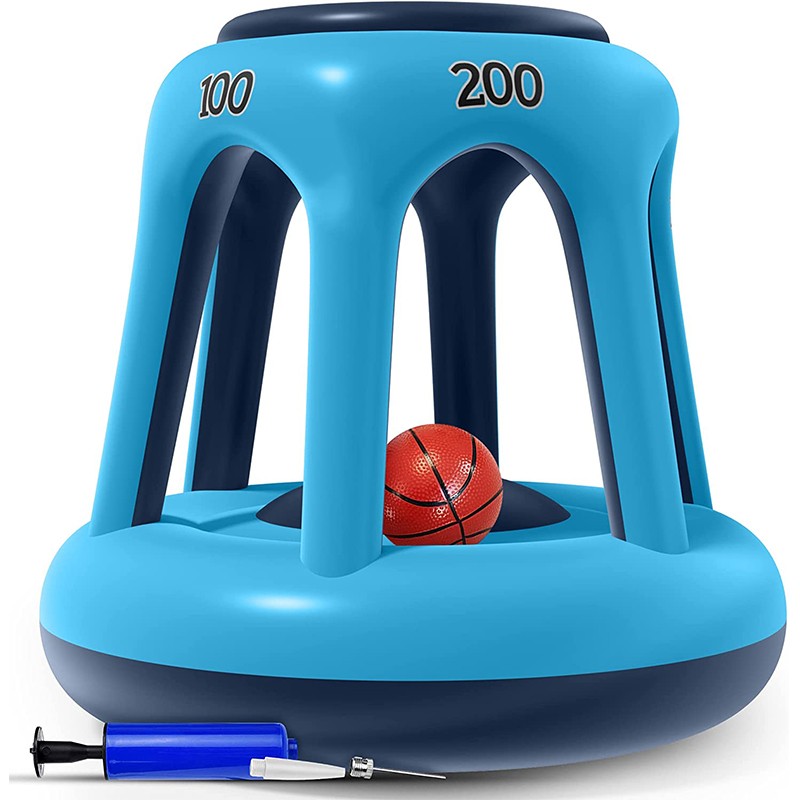
Before cleaning water toys, the first step is removing excess water and debris from the surface. This preparation stage matters because the toys may hold water in small creases or air chambers. A quick rinse removes loose dirt, allowing deeper cleaning solutions to work more effectively. For inflatable products, partially deflating them helps reveal hidden folds that often trap residues.
Water toys made from PVC or vinyl, such as the NEW Inflatable Water Toys, respond well to gentle cleaning agents. These materials resist moisture, making them suitable for manual washing without deteriorating. Preparing the toys properly helps minimize unnecessary scrubbing later and ensures even coverage of the cleaning solution.
Different water toys may require different cleaning approaches depending on their structure, material, and frequency of use. Toys that remain in chlorinated pool water may accumulate chemical film, while toys used in lakes or beaches may gather algae, sand, or salt.
Soft-surface toys benefit from mild soap solutions, while textured surfaces require slightly more scrubbing pressure. Inflatable designs with large smooth areas can be wiped easily using microfiber cloths. NEW’s Inflatable Toys support these methods because their surfaces are engineered to resist staining and allow effortless wiping.
| Cleaning Method | Suitable For | Notes |
|---|---|---|
| Mild soap & water | General surface cleaning | Safe for daily or weekly maintenance |
| White vinegar solution | Removing mildew or odor | Natural deodorizing effect |
| Diluted bleach mixture | Heavy sanitizing | Use sparingly and rinse thoroughly |
| Baby-safe disinfectant | Small children’s toys | Gentle yet effective |
These solutions work well for PVC-based materials. However, users should avoid abrasive powders or rough brushes, which may leave micro-scratches on inflatable surfaces.
A thorough cleaning involves wiping or scrubbing every exposed area, including handles, seams, air valves, and textured regions. For inflatable water toys, seams require extra attention because they gather more residue over time. Circular motions with a damp cloth help prevent streaking, and rinsing after each cleaning pass ensures no soap residue remains.
Some water toys include integrated patterns or printed designs. The durable surface coatings used by NEW make them resistant to fading, but gentle cleaning still preserves the appearance long-term. Toys should be washed under shaded conditions whenever possible, as direct sun accelerates drying but may increase streaking or leave soap marks.
Stains and mold require targeted cleaning. Mold often develops in toys that are stored while damp or unused for long periods. Addressing issues early prevents deterioration of the material surface.
White vinegar mixed with warm water provides a natural cleaning approach. Just a small amount of vinegar helps break down residue without affecting toy color. For more persistent mold, diluted bleach may be used sparingly. A careful balance ensures the toy’s integrity is preserved while still eliminating microbial buildup.
NEW’s inflatable toys minimize the risk of mold due to their smooth, water-repellent surfaces, but prompt cleaning and drying remain important. Odor removal often improves significantly after thoroughly rinsing and allowing the toy to air out in a well-ventilated space.
Rinsing water toys removes remaining soap or cleaning solution. Excess residue can attract more dirt during the next use, making proper rinsing essential. Toys should be rinsed using clean, fresh water rather than chlorinated or saltwater sources. After rinsing, allow the toys to dry completely before storage.
Drying should take place in a shaded location. Direct heat may speed evaporation but could place unnecessary stress on inflatable materials. Once fully dry, inflatable water toys may be deflated for compact storage. NEW’s inflatable water toys deflate easily without trapping water, making them suitable for repeated seasonal use. Drying thoroughly also prevents mildew and extends material flexibility.
Some toys include internal chambers or built-in floats that may trap water after use. Shaking out excess water or using a towel to guide moisture toward openings can help. For larger inflatable structures, partial deflation exposes hidden folds where moisture collects.
Toys with internal chambers often benefit from cleaning methods that include gentle circular movements to distribute the cleaning solution evenly. The smooth PVC material used in the NEW Inflatable Water Toys allows water to glide easily through inner folds when rinsed. Ensuring all internal areas dry helps prevent lingering dampness, which can lead to odor or mold growth.
When water toys are used frequently, especially in public pools or natural water environments, dirt accumulation is inevitable. A quick cleaning routine after each use keeps toys fresh and reduces the amount of deep cleaning required later. This is particularly useful for families using inflatable toys with children, as younger users often transfer sunscreen, oils, and dirt to the toy surfaces.
A simple wipe-down using a diluted mild soap mixture is sufficient for everyday maintenance. For heavier use, weekly deep cleaning ensures better hygiene and material preservation. NEW’s durable surface coatings withstand frequent cleaning without degrading or becoming sticky over time.
Although proper cleaning extends the lifespan of water toys, there may come a point when replacement is more practical than continued maintenance. Toys that exhibit surface peeling, excessive fading, or deep scratches may no longer perform safely or hygienically. Inflatable toys that cannot hold air consistently are better replaced to prevent risk during water activities.
NEW provides a range of durable and long-lasting toy options, giving users access to higher-quality designs that resist wear. The NEW Inflatable Water Toys ensure strong performance even with frequent cleaning and seasonal use, making replacement less frequent compared to basic consumer products.
Learning how to clean water toys properly helps maintain safe, enjoyable use throughout the season. By preparing the surface, using the right cleaning solutions, rinsing thoroughly, and drying completely, families can ensure their toys remain fresh and long-lasting. Regular cleaning prevents mildew, odors, and material damage, while high-quality products such as the NEW Inflatable Water Toys simplify the process through smooth, durable surfaces that resist buildup. With consistent care, water toys stay cleaner, safer, and more appealing for every use, making outdoor activities more enjoyable and worry-free.
 Mobile Phone:
 Phone:
 Contact Now
 Youtube