
Repairing an inflatable swimming pool is a straightforward process when handled with the right preparation, correct materials, and proper sealing techniques. Because Inflatable Pools rely on internal air pressure to maintain shape, even a small puncture can cause sagging, unstable walls, and reduced safety. Most issues arise from abrasive ground contact, accidental impacts, or long-term exposure to sunlight. Understanding how to patch an inflatable swimming pool correctly ensures that the structure remains durable throughout the season. NEW designs its inflatable pools with reinforced materials to reduce the likelihood of tears, but patching knowledge is still essential for long-term maintenance. Learning the correct approach to locating leaks, cleaning the surface, applying a patch, and testing the seal will help restore full functionality quickly.
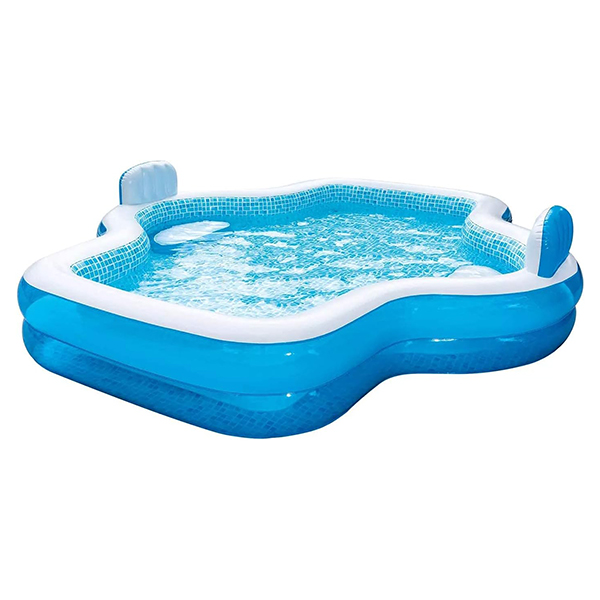
The first step in repairing any inflatable swimming pool is locating the leak. Sometimes the issue is visible as a small tear or abrasion, but more often, the puncture is tiny and requires closer inspection. A practical method is to slightly inflate the pool and listen for escaping air. Another method involves using a mixture of water and mild soap, which produces bubbles at the puncture when brushed across the surface. The process may take several minutes if the puncture is small, but finding the exact point is crucial before attempting any repair.
NEW’s inflatable pool design features thickened layers and improved seam construction, making leaks less frequent than in basic models. However, proper detection ensures that only the affected area is treated, preserving the pool's overall surface integrity. Once the damaged point is found, marking it with a small piece of tape or non-permanent marker helps prevent losing track during repair. Air should be released before continuing, as patching under pressure prevents the adhesive from bonding correctly.
A successful patch depends on a clean, dry surface. Dirt, sunscreen residue, grass, or moisture can weaken adhesive strength and reduce patch durability. Wipe the area thoroughly with a soft cloth and warm water, avoiding harsh chemicals that might damage the pool material. It is also important to ensure the pool is completely dry, as water can interfere with adhesive application.
Some users overlook the importance of surface preparation and apply the patch immediately. This often leads to peeling or air seepage. NEW’s inflatable pools feature smooth PVC surfaces that respond well to adhesives, but preparation remains necessary for a strong and lasting bond. The treated area should extend beyond the puncture by a few centimeters to ensure the patch seals fully around the damage point.
Inflatable swimming pools can be patched using self-adhesive repair stickers, PVC patches with glue, or vinyl repair kits. The correct method depends on the size of the puncture and the location of the damage. Small pinholes require minimal material, while larger tears may require reinforced patches.
| Patch Type | Best Use | Notes |
|---|---|---|
| Self-adhesive PVC sticker | Small holes or surface punctures | Quick and convenient |
| PVC patch + adhesive | Medium tears or seam repairs | Stronger, long-lasting seal |
| Large vinyl repair sheet | Wide-area damage | Requires careful placement |
Because the NEW Inflatable Pool uses high-quality PVC, it bonds easily with most standard repair kits. Users should select materials that match the pool’s thickness to maintain flexibility after repair.
After preparing the surface and selecting the appropriate patch, application should be done with precision. Cut the patch into a rounded shape to prevent corners from lifting. Apply adhesive evenly if using a glue-based patch, and press the patch firmly onto the puncture area. For self-adhesive patches, peel and apply immediately after positioning.
The patch requires firm pressure for several seconds, followed by a waiting period to allow full bonding. Avoid inflating the pool immediately; adhesives typically require several hours to dry completely. The specific drying time may vary depending on the kit instructions. NEW recommends allowing the patch to cure overnight for the best results, ensuring that pressure from inflation does not weaken the seal.
Damages below the waterline require special care. The pool must be emptied or partially drained before patching. Once dry, the surface should be cleaned thoroughly. Underwater-rated repair kits allow application directly in water, but drying the area first still yields a stronger seal.
In some inflatable swimming pools, the bottom layer is thicker and more resistant to punctures, but minor abrasions can still occur. NEW’s bottom reinforcement layer decreases the risk of such punctures, yet underwater patching knowledge remains helpful for extended pool usage. Users should avoid patching in areas where folds naturally form, as these locations experience constant movement.
After the patch has dried fully, reinflate the pool gradually. Initial inflation should be moderate, allowing the patch to adjust to the material’s stretch. Once the pool reaches its usual firmness, observe the patch closely. Any lifting edges indicate improper bonding, requiring reapplication.
To ensure complete sealing, brushing a soapy water mixture over the patch helps detect remaining leaks. If bubbles appear, the patch may need additional adhesive or replacement. NEW’s smooth material surface typically forms strong bonds, reducing the likelihood of patch failure when applied properly.
Although patching is effective, preventing damage ensures longer pool lifespan. Using a ground mat or protective layer under the pool prevents punctures from sharp objects. Regular inspection and cleaning reduce the risk of unnoticed wear. Avoid overinflating the rings, as excess pressure places unnecessary strain on seams.
The NEW Inflatable Pool is built with durability in mind, but proper handling maximizes its performance. Storing the pool away from sunlight, extreme heat, or harsh chemicals prevents material degradation. Folding the pool carefully without sharp creases also protects structural integrity.
Small leaks and minor tears are easily fixed, but significant damage may compromise safety. If the tear extends across a seam or affects load-bearing sections, patching may not restore the pool’s original performance. A pool that repeatedly loses air despite multiple patches may require replacement.
A well-maintained inflatable swimming pool should last through several seasons. However, once material fatigue becomes evident, upgrading to a new reinforced model ensures safer and more enjoyable use. NEW’s pools provide a reliable option for users seeking improved puncture resistance and long-term value.
Patching an inflatable swimming pool involves locating the leak, preparing the surface, applying the right patch, and testing the seal thoroughly. With proper technique, most punctures can be repaired quickly, restoring the pool’s full functionality. NEW’s durable material construction makes the repair process easier, but maintaining the pool responsibly helps prevent future damage. By following the correct patching steps and caring for the structure consistently, users can extend the lifespan of their inflatable swimming pool and continue enjoying safe, refreshing outdoor activities throughout the warm season.
Previous: How To Clean Water Toys?
 Mobile Phone:
 Phone:
 Contact Now
 Youtube